These learning activities were very educational for me. Here is a summary of what I found in the image searches:
- Professors were primarily Caucasian men who had grey hair and glasses. There were very few images of women and there were only a few images of people from different ethnic groups. Even Donald Trump showed up in two of the images. I’m not sure why he was there. The suggested search terms were: university, college, classroom, lecture, lab, Hogwarts, teaching, law, math.
- Teachers were young women who were smiling. In the images, most of the people were holding a book and standing in front of a chalkboard. Again, the women were primarily Caucasian, very few men and very few ethnic groups were represented. The suggested search terms were: thank you, elementary, high school, classroom, middle school, kindergarten, preschool.
- Doctors were represented by both men and women. Everyone was smiling and wearing a white lab coat with a stethoscope around their neck. Nurses were primarily women, smiling, wearing scrubs, with a stethoscope around their neck or a needle in their hand.
- Images of girls were of primarily teen girls and I found the suggested search words disturbing, they were: love, depressed, angry, sad, broken heart, lonely.
- Images of boys were of children and the suggested search words were: love, handsome, kid, nerd, high school.
- The leader search was very surprising. At first, my search resulted in mostly clip art cartoons. Then it was primarily images of men in suits. I counted only 4 images of women under the search “leader” on the first page. The suggested search words were: group, student, church, manager, quality, strong, effective, bad, successful and charismatic.
It was interesting how stereotypical these images were. I studied body image for my dissertation research and have taught on the topic frequently in a variety of different settings. One of the activities I have people do when I speak on this topic is to evaluate stereotypical images of people that I have gathered from a google image search. I ask people to tell me about their unfiltered first impression of the images.
The point of this activity is to show the audience that we tend to associate a persons character with their physical appearance or body shape. Usually, I hear assumptions such as a person who is fat is lazy or undisciplined or out of control and someone who is thin as someone who is beautiful and successful dedicated and in control. We assume people who are muscular have a lot of self-discipline and are on the path to living a successful well-balanced life. These assumptions and judgments that we make about people come with very little to no information about who they actually are.
These assumptions are not something that we are born with, they are socially determined. This means that we learn how to experience and evaluate our bodies (and the bodies of others) through sociocultural contexts (what is important in our culture, what our family thinks, what our friends think, what the media emphasizes etc.). This information spreads through our social networks and eventually we internalize beliefs or assumptions about them. Without critical awareness, over time we come to believe that these images are true representations of what we “should” look like and then we make judgments about who we are based on the shape, size and appearance of our bodies and whether or not they “compare” to the images we see in magazine ads, on tv, in movies and on social media.
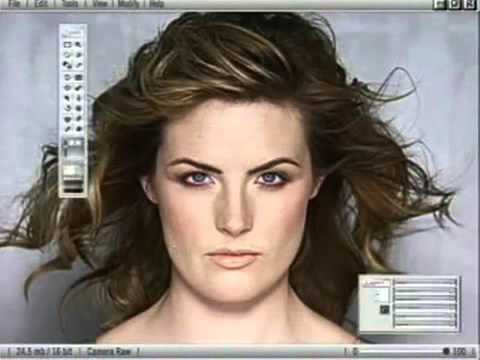
The media (and now I would include simple internet searches) uses unrealistic, unattainable images of people to promote their products or services. Advertising agencies also take advantage of technology that allows them to create hyper-real images of people through programs like photoshop. With these programs, anything from minor skin blemishes to eye and hair colour can be altered or enhanced. What is scary to me is that the images that google provided for me in my image search were very stereotypical. If I didn’t already have a critical eye for what I was seeing it would be very easy for me to believe certain truths based on the images. For example, only old men are professors, teachers are only young women who are always happy, women are nurses, girls are unhappy, moody and heartbroken and the most shocking one for me was that only men are leaders and they must wear a business suit. These are obviously not true, but this activity has shown me that my google image search has the potential to greatly impact how I see the world.
Below I have posted a video link to the Dove Evolution Commercial. This video was popular about 10 years ago, but it shows the effects of transforming an everyday person into a glamorous super model for an advertisement. If you are interested in watching the video you can find it here:
Image source: Lamb (2013, April 9). Body image. http://lessonbucket.com/media/year-9/body-image/
Video source: www.campaignforrealbeauty.com (2007, March 5). DoveEvolution. Retrieved from www.youtube.com/watch?v=WK_q1MT0sqQ