Servant leadership
Servant leadership has been defined by a lot of people, everyone has a different way of defining it, but the essence of definition is the way a leader is able to serve people, care for their emotions, work with them, not only being influential but work along with them and be a biggest support to them. It is a feeling a leader is having for their people.
According to greenleaf (1970) as cited in Northouse (2016) provides the most frequently refrenced definition “[Servant leadership] begins with the natural feeling that one wants to serve, to serve first. Then conscious choice brings one to aspire to lead. . . . The difference manifests itself in the care taken by the servant—first to make sure that other people’s highest priority needs are being served. The best test . . . is: do those served grow as persons; do they, while being served, become healthier, wiser, freer, more autonomous, more likely themselves to become servants? And, what is the effect on the least privileged in society; will they benefit, or, at least, will they not be further deprived?” (p.15)
Awareness in the servant leadership approach is different approach from emotional intelligence, or self awareness in the psychodynamic approach. As a person in servant leadership gone through few levels of being made into a leader and with a lot of experience as in psychodynamic approach a leader is able to know what he knows only not with a broader thinking. Knowing people emotionally is not only sufficient for a leader to be helpful for serving the people. A beautiful video in Maxwell’s five levels development of serving leadership is the most best method to know how a leader being able to become one. According to him it takes five steps for a leader to develop servant leadership as follows:
- Position – A leader is given a position, he is assigned as a leader and given a job title but still not being able to make people do work or trust him.
- Permission level – In which a leader makes relation with workers. He observes, listens well and learns everything.
- Production level- It means results where a person is taking care of result and establish outcomes from workers.
- people development level- Where you allow workers to do something and let them know you are with them.
- The pinnacle level- It means the respect when a leader finally gains respect and transform into a servant leader form.
These five steps is what we can say requirement for a leader to transform.
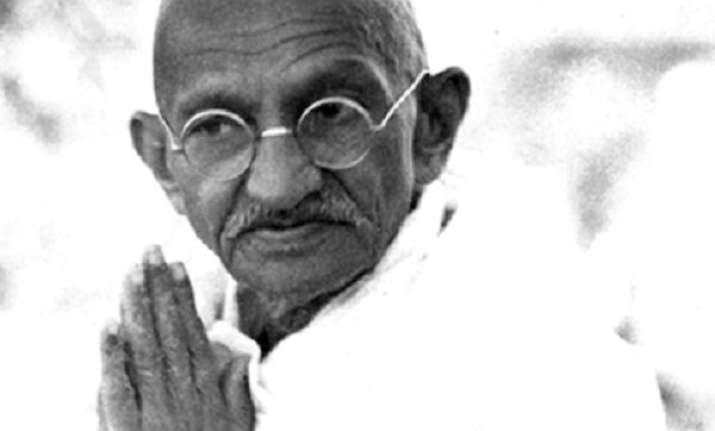
I would like to take an example of Sh. Mohan das Karam Chand Ghandhi, he was a barrister who was the one still know as one of the biggest reason for independence of India. He is a true example of servant leader, he not only rule people, rather guide them their path and along with his influential nature he served people, always involve with them in every activities, spent most of the time with them and always make them believe he is with them.
As in the video of serving south west I came across how their president (Colleen Barrett) who started with legal secretory helped in the growth of southwest airlines and the reason according to her is they serve their employees and hold their first ranked on priority list which is the reason they are in profit for long 35 years. So, to serve people means to serve organisation.
Refrences:
Greenleaf, R. K. (1970). The servant as leader. Westfield, IN: Greenleaf Center for Servant Leadership.
Northouse, P.G. (2016). Leadership: Theory and Practice. Sage Publications
Source – 1) Southwest airlines by Colleen Barrett https://www.youtube.com/watch?v=6TgR95vnM0c, published on july 9, 2008, KnowledgeAtWarton
2) John maxwell’s the five levels, https://www.youtube.com/watch?v=aPwXeg8ThWI, published on sept. 10, 2013, JohnMaxwellCo.