


Unit 4 Belief
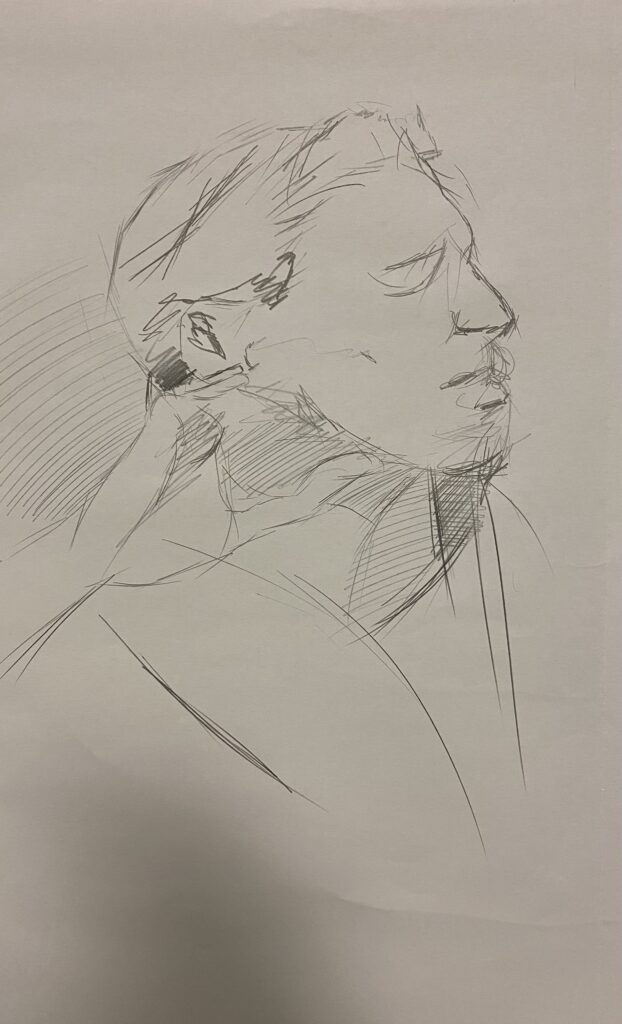
Religion provides the subject matter and content for art. Because religions often use art to graphically promote doctrines, they promote art in terms of human, material and financial resources, provide a stage for many artists to practice, and objectively it plays a practical role in promoting the development of art. However, religion also hindered the development of art to a certain extent, such as the ecclesiastical literature in medieval Europe, which was reduced to the service of religious “handmaidens” and was severely damaged, greatly hindering the development of literature and art in medieval Europe. Art is a figurative understanding of the world, a reflection of the world and the practical activities of the man himself in the form of beauty, and a variety of sensual experiences. Both the irrationality of religion and the aesthetics of artistic images became the expression of universal human feelings, expressing different aspects of human feelings. Religion uses art to express and propagate its doctrine, consolidate and expand its influence, and art nurtures and develops in religion, enriching its content and form. But we cannot say from this that religion and art are the same; there is a fundamental difference between them.
Unit 3 Power (Drawing)

Unit 3 Power
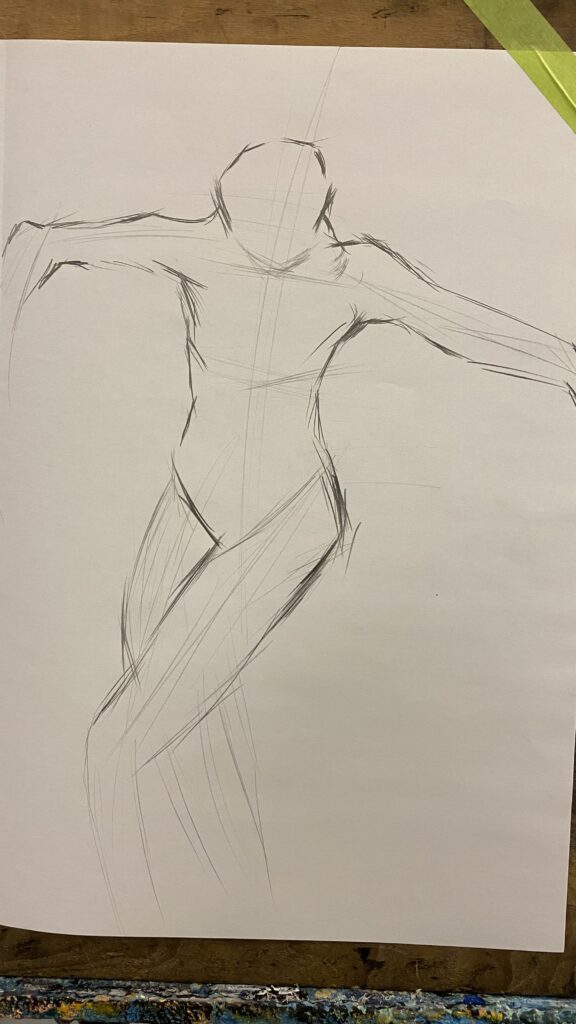
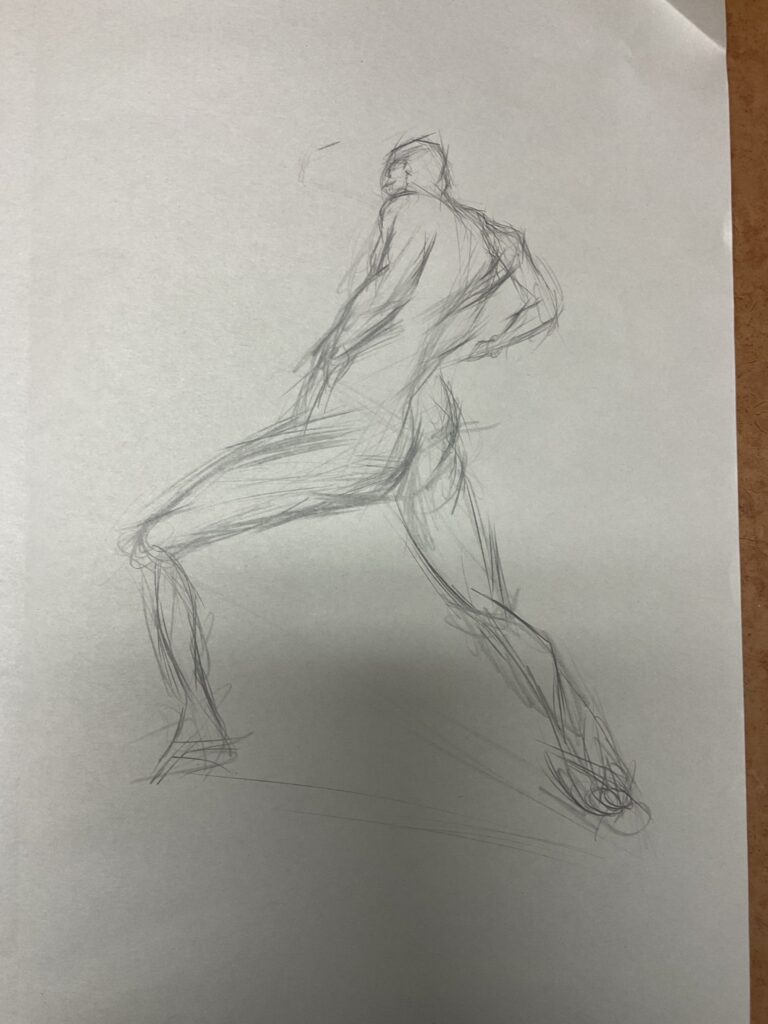
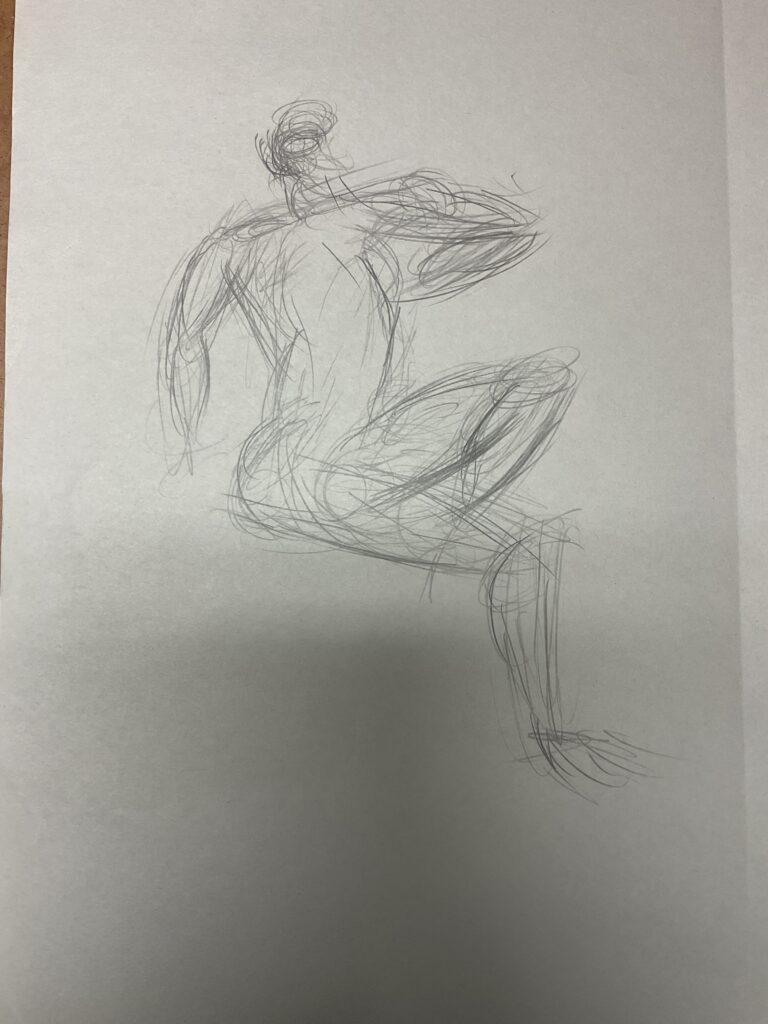
As BODY OF ART illustrates, “Artists throughout history have used the body to represent power in both physical and abstract ways.” (p. 106) The human body of different historical periods and different genders often contains different metaphors. For example, in medieval paintings showing the strength of the human body, the male torso is often filled with a sense of power and brutality. Conquest and domination are perfectly represented by the muscular lines, while the soft body often symbolizes submission to and admiration of hegemony. In traditional male-dominated societies, men were the main creators, while women were often the objects to be seen and watched. In the wake of social development, women’s self-awareness has awakened and women have begun to pursue equality of power and change of status. The birth of feminism is the product and inevitable result of the economic development of the times.
The reason why people love body art is that artists borrow the language of the human body to worship life, praise nature, celebrate youth, eulogize love, the pursuit of freedom, this creative expression is the intrinsic motivation to produce excellent works of body art, it does not lead people into the path of evil ideas. When the development of art in different cultures to a certain period, has shown a strong interest in the human body, mainly as a result of the influence of Western humanist thought. Humanist thought advocates human-centeredness, respect for human freedom and dignity, the implementation of secular culture for human beings, and the glorification of the spiritual and physical beauty of human beings as the main characteristics. These ideas have profoundly influenced people’s aesthetic understanding.
Unit 2 Identity (Drawing)



Unit 2 Identity
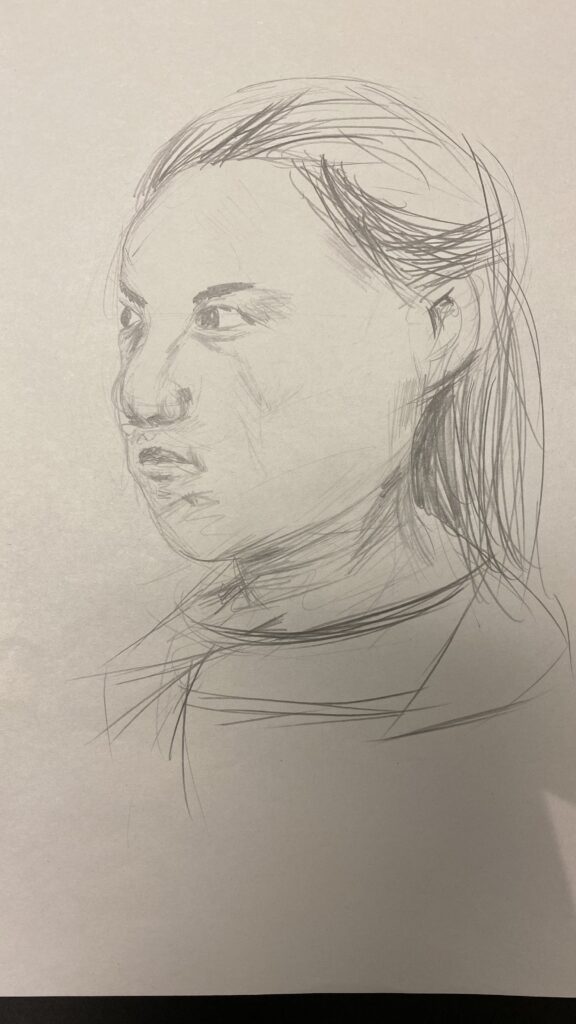
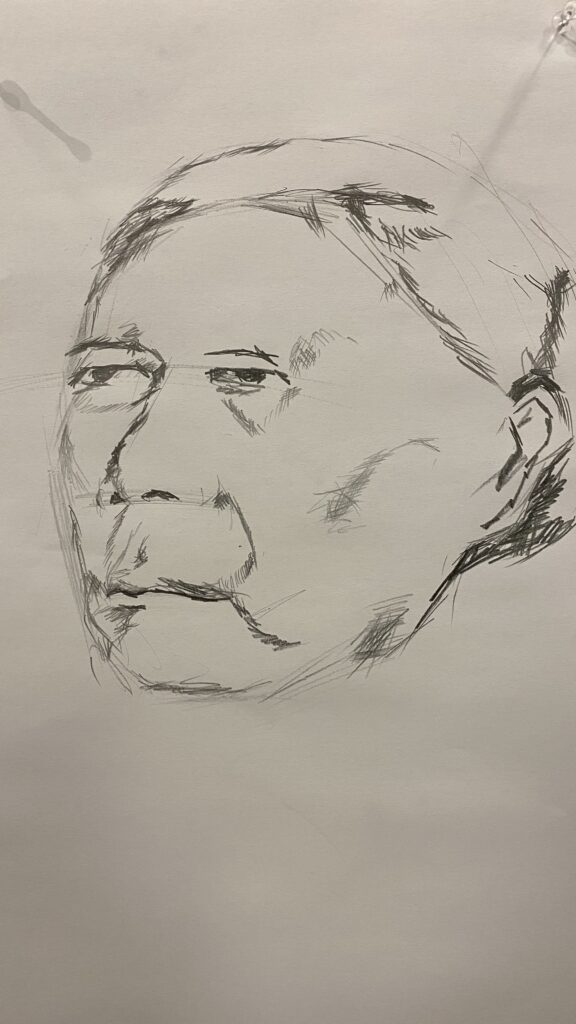
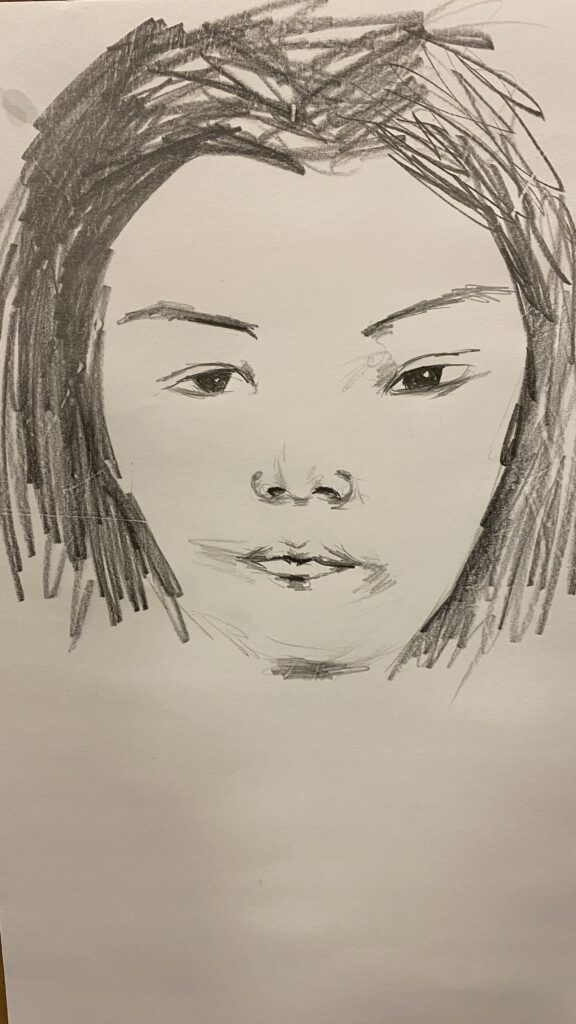
What does a person do when he lives in a time when his talents do not correspond to his own? The concept of “identity” is seen as a set of distinctive or structural features, but in fact as a “construction” of identity. Because cultural identity is seen as a reconstitution of identity, the different identities in the art field are no longer simply occupations. As BODY OF ART describes, “identity” encompasses a variety of personal characteristics, including gender, cultural background, and so on. It can be a way to heal the soul, enrich people’s conversation after dinner, and improve people’s taste and interest in life. When it comes to contemporary art, many people think it is unreadable, but in fact, when we quietly view it, we can find that it is based on the realistic context of contemporary culture and emphasizes the relevance of real life. We are given names and nationalities from birth, and traditional artists have often used “heroic” narratives to express their identified identities, such as Greek sculpture, which accurately portrayed the human form and defined the aesthetic, even as many elements have influenced modern aesthetics. As the art world is changing, multiculturalism has become a trend that disguises racism, sexism, and a host of other issues that seem to solve the problem of identity, and a new generation of artists who want to move beyond the label of identity must create art that is more thematic and breaks away from previous stylistic traits. Exploring from the theme of identity has made many artists find themselves on the path of exploring art. Even though there are many dimensions of identity, as time goes on, it will fade away and artists will start to create more thematically diverse art again, so identity will also change, whether it occupies an important place in contemporary art or modern art, and it is worthwhile to continue exploring and learning.
Unit 1 Beauty (Drawing)
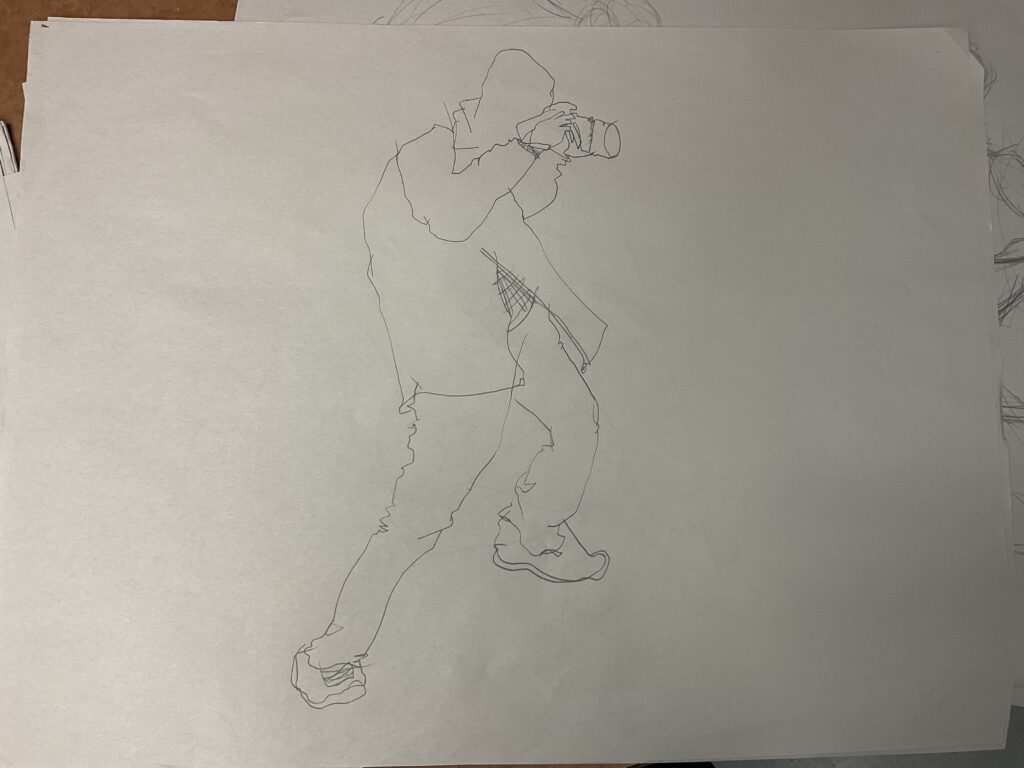
Unit 1 Beauty
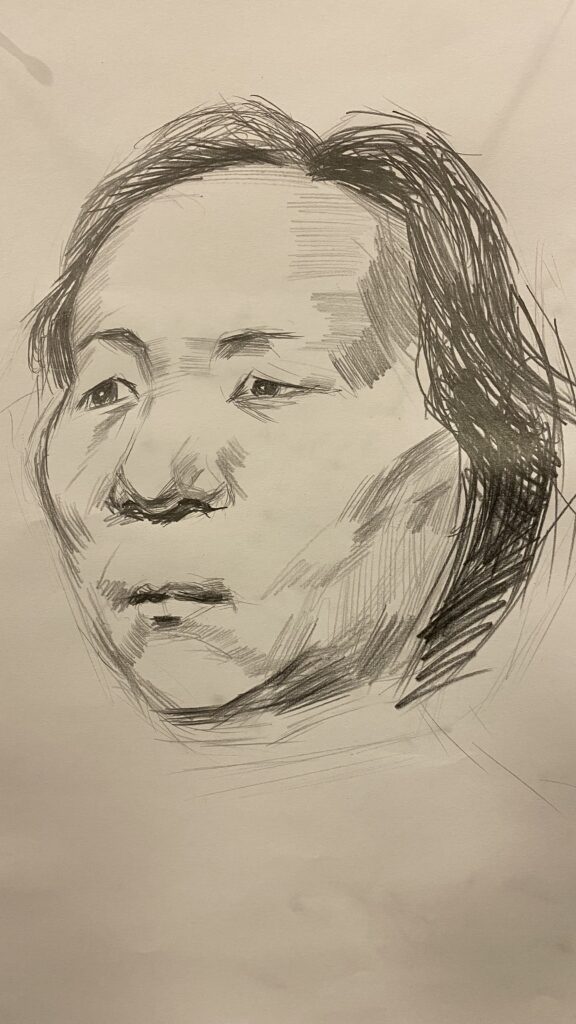
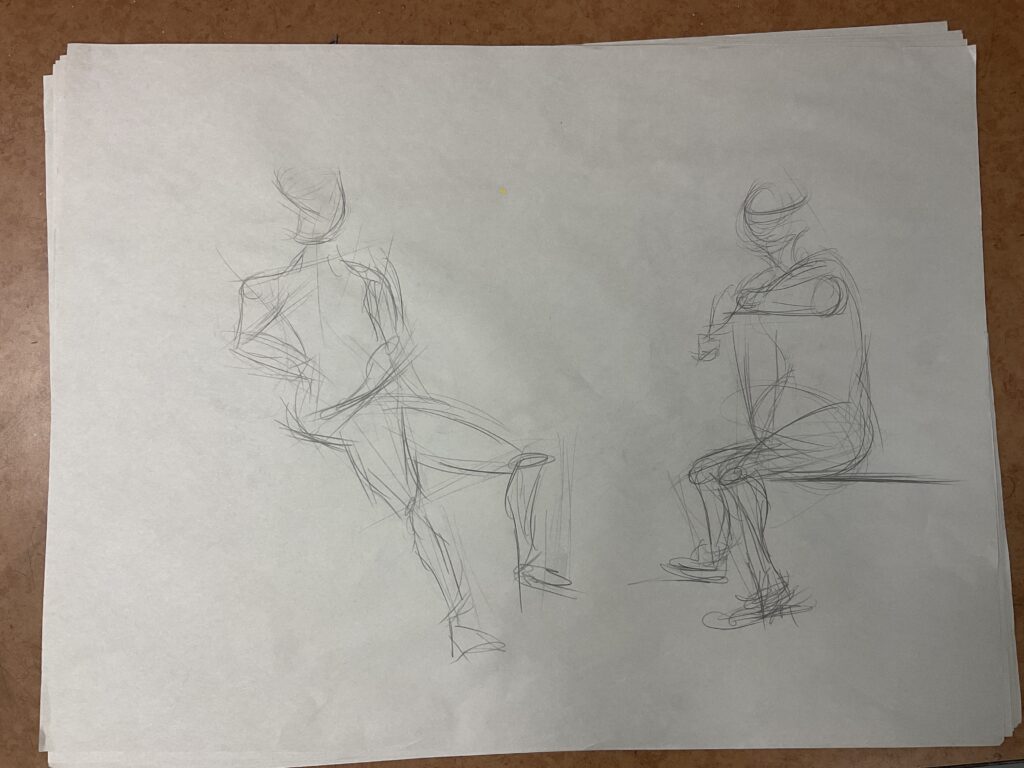
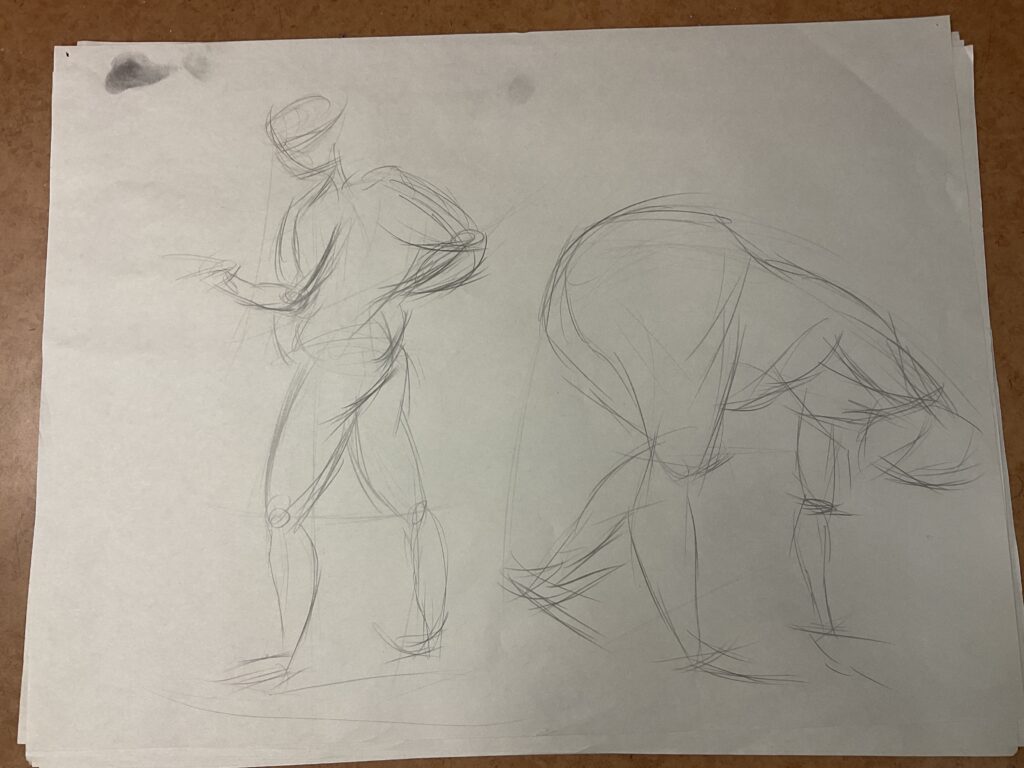
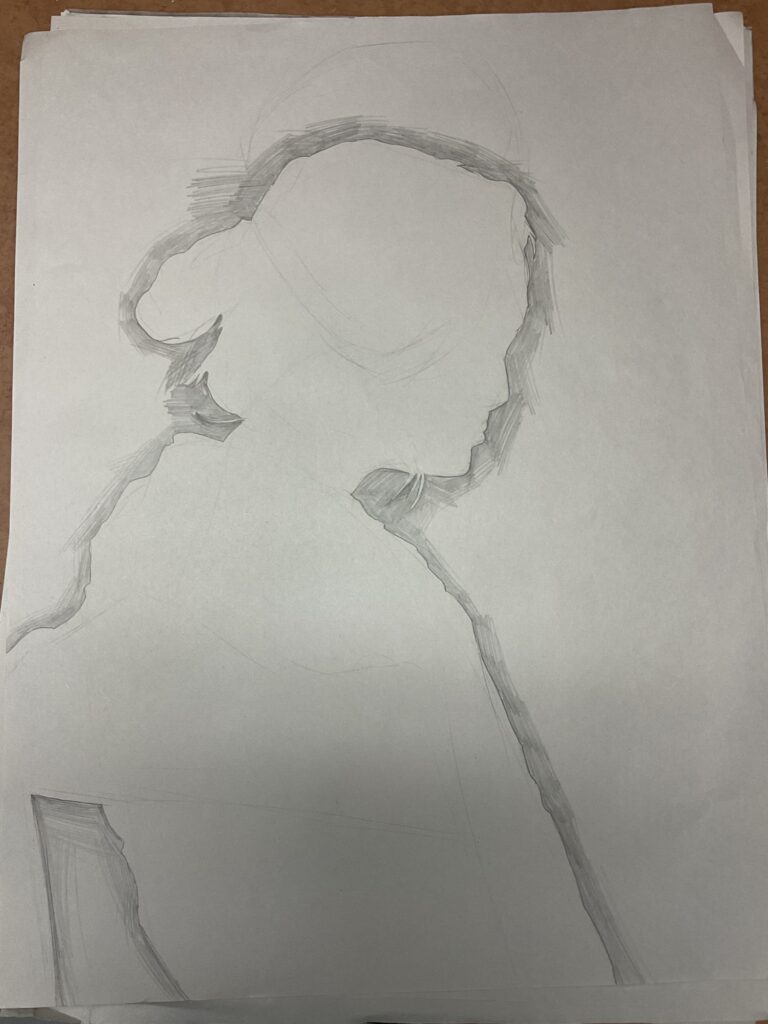
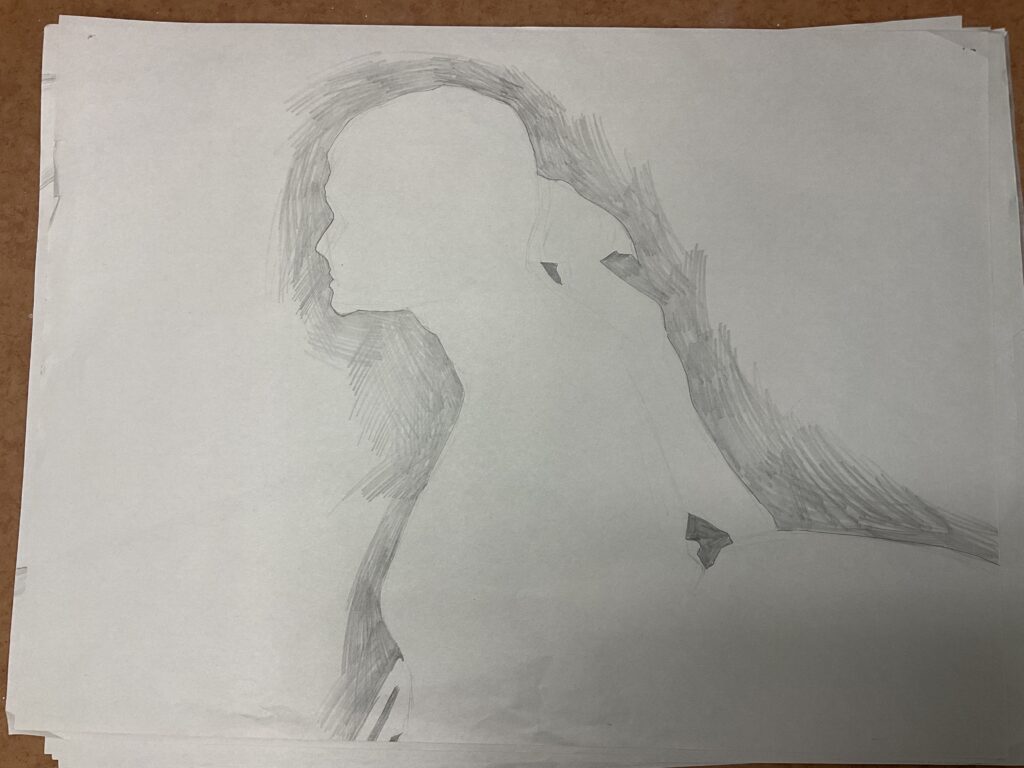
“It is often said that beauty is subjective and exists purely in the eye of the beholder” (p14). We can clearly perceive this change in the different artworks from different periods. At the dawn of human civilization, the female body was represented through sculpture or painting and conveyed a reverence for fertility and vitality. The female body was often considered to be more fertile.
People were seeking proportions and bodily dimensions in the later Western art, which became a popular aesthetic trend at the time as people began to focus more and more on the muscularity and strength of the human body. This became a popular aesthetic trend at the time. The beauty of the female body in the medieval reclining nude, represented by the “Birth of Venus”, became the hallmark of the time. Nowadays, artists make their protagonists use this pose, but the subject is changed from a god to a human being. The beauty of the human body is natural, objective existence, but also subjective pleasure feelings, is the cohesion and manifestation of their own natural beauty, it can give myself with great psychological satisfaction and the psychological enjoyment of self beauty, but also to others with aesthetic beauty, so that people-pleasing to the eye. The pursuit of external physical beauty is the natural nature of human beings. Cosmetic surgery and some technological products are helping modern people to shape the human body and appearance in line with contemporary aesthetic standards, which is not exactly the same aesthetic trend as ancient natural beauty. Aesthetics covers a wide range and the aesthetic sense is not only formal beauty but also includes social and economic conditions as well as environmental, religious, political and other factors. We can clearly find the history of the development of human aesthetics in the different social stages of human pursuit and environment in different fields.
The exploration of human aesthetics is a manifestation of the progress of human social civilization and is closely related to the development of human beings themselves. This inquiry will cause us to think: What is the world? What are we? Where did we come from and where are we going? Who really makes human beings? We come from the simplest and will eventually leave the world in the simplest way.
The development of body of art
The beauty of the human body is intuitive, sensual, as well as hazy and mysterious. To this day we are still exploring the sources of beauty in the human body. The process of research and development of human aesthetics is also the process of progress of human social civilization and is closely related to the development of man himself.
Through the Timeline in BODY OF ART (p414-429), we can intuitively feel that “beauty” follows human civilization, and is expressed in different ways at different stages. Before 1000 BC, we are able to use simple colours like red, yellow and green to decorate these body paintings, even though archaeological findings of paintings and pottery were left on caves or rock walls. People always have some kind of life, some kind of sensory stimulation for some phenomenon, and then they start to think and explore. Gradually, around 200BC, the unique geographical and human environment of ancient Greece created a general concept of the human body and its overall proportions and beauty. At that time, people expressed their admiration for the beauty of the human body through human sculpture.
When the time came around 1000 AD, the aesthetics of the Middle Ages received a very profound influence from theology. People experienced the beauty of God through the beauty of sensual things. There was a high degree of overlap in values for theology and aesthetics. With the beginning of the Renaissance, the humanists’ theories about beauty enthusiastically celebrated the beauty of man himself and began to look for beauty in nature and science. The different forms of art at that time exquisitely showed the form, expression and posture of the human body, interpreting the harmony, elegance and balance of aesthetic thought.
With the development of technology and the change of people’s values, people are increasingly seeking to change parts of their bodies that they do not consider “good looking” through beauty, make-up, nail art, tattoos, cosmetic surgery, etc. But over-commercialization of cosmetic surgery has gradually unified the standard of “beauty”. While people try to beautify their bodies through cosmetic treatments, they actually stimulate the commercialization of their bodies and the publicization of their privacy.
I don’t think this is a wrong line of development; the aesthetics of the human body before the Renaissance was also interspersed with a lot of theological values; it was just some bifurcation in the course of people’s aesthetic development.