Ideation Some Resources for Getting Started
On this page:
- Process vs. Concept
Consider where you fall on the process-concept continuum - “Scratching” by Twyla Tharp
Which practices might be useful to you? What are you already doing? - Ideation
Suggestions for brainstorming and an ideation template
A good idea is one that turns you on rather than shuts you off. It keeps generating more ideas and they improve on one another. A bad idea closes doors instead of opening them. It’s confining and restrictive. The line between good and bad ideas is very thin. A bad idea in the hands of the right person can easily be tweaked into a good idea.
-Twyla Tharp
Kerry James Marshall is an excellent example of a concept-based artist. Though he has a profound reverence for the tradition and process of painting, the starting point for his work is always the idea, and everything in the work supports that idea.
Listen to how he talks about the starting point for his work. It’s from books, big ideas, social issues. Then as a painter he finds ways to incarnate these ideas in visual form.
Tara Donavan exemplifies a process-based approach to art-making. She starts from the place of engaging with the physical materials in the studio. Notice how she resists a big vision or conceptual framework but allows the materials to lead the way in her process.
Ideas and concepts emerge from her work but they are a result, rather than a starting place.
Scratching
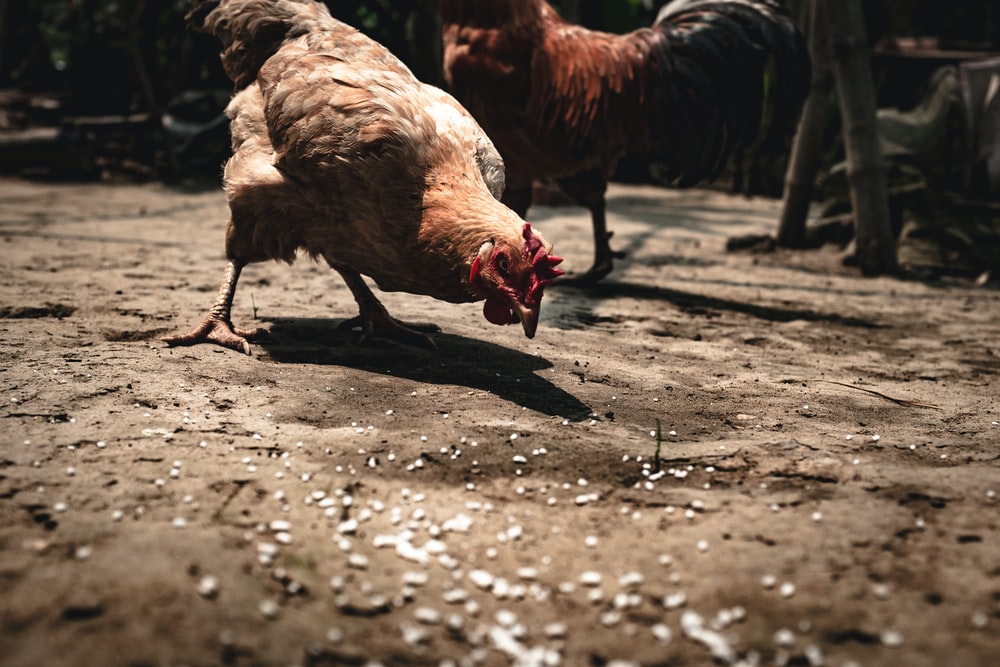
When I first read about Twyla Tharp’s idea of scratching the image the immediately came to mind was chickens scratching in the dirt. It turns out that her intention has more to do with scratching away at a lottery ticket in hopes of winning big. Both metaphors contain this sense of hope and futility that often accompanies the process of trying to come up with an idea.
In this chapter Tharp offers a collection of active ways to spark that initial idea that gets you working.
Skim “Scratching” by Twayla Tharpe and consider which practices might be useful to you. Which are you already doing? Which would you like to add to your repertoire?
Ideation
Rules for Brainstorming:
- Be visual
- Wild ideas
- Quantity over quality
- Defer judgement (no idea is a bad idea)
Source: https://webdesign.tutsplus.com/articles/ideation-in-design-thinking–cms-31557
Ideation Worksheets
Wondering where to begin? Here are some prompts that might help you get going.
- Main idea
- Working title
- Describe the work
- Describe the materials and process
- What’s your question or line of inquiry?
- How does your choice of materials support your concept?
- Scale- how big? How many? Is the scale realistic to complete for March?
- What experience inspired this work?
- Imagine a viewer standing in front of your work. What do you want the viewer to feel when they encounter your work? What do you want them to think about or experience?
- How does form support content and content support form?
- Imagine you have a 14 foot wall to create your project. Draw what your show of this work would look like. Use a full sketchbook page.
- How will the work be evaluated? How will we know the work is successful? Outline some criteria that you will use to evaluate the success of your project
- Why does this project matter to you? How does it connect with your interests and passions?
- What other artists are inspiring this project?