Studio Set-Up Making Space, Making Rituals
Only the maker (and then only with time) has a chance of knowing how important small conventions and rituals are in the practice of saying at work.
-Bayles & Orland
Hopefully you’re getting more acquainted with the way you work and your needs for a studio. The kind of space and environment you choose to work in will profoundly shape the kind of work that you create. When I moved to Alberta for graduate school I was so captivated by the light and shadows. Especially in the starkness of the winter the days with little sun and long, dark nights. I believe that this was at least part of the reason that I was so focussed on working with projection during my graduate studies. I wanted to work with the medium of light and shadow. You can see some of those early experiments here.

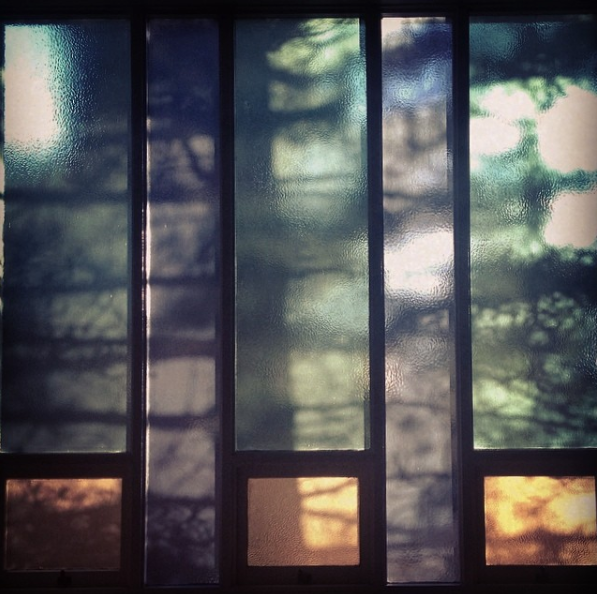
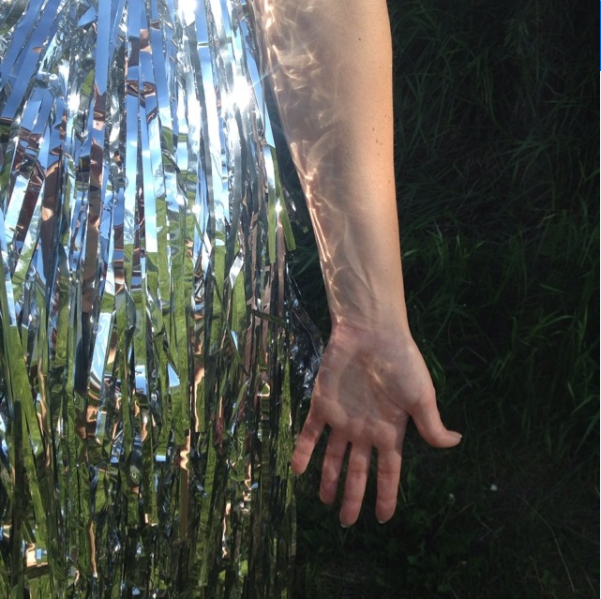
What kind of environment sustains your practice? What kind of space will enable your work? What space is available? How will the space you are working in form the kind of work you make? Does your work require a kind of space? Or is it a mental space that you need to find? Do you work in spurts of frenzied activity or do you prefer to pursue a consistent daily practice? There are as many ways to practice as there are creative people. I invite you to consider the rituals that you build for yourself and how they contribute to sustaining creative practice in your life.
One of my graduate school professors insisted that “you should go into your studio every single day, even if it’s simply to look at and think about your work.”
An artist I know had a home studio for a time. Every morning she would get up, leave her house, walk around the block and come back into the studio. This act of “arriving” at the studio helped ground and focus her.
A friend of mine talks about his sense of delight in turning off his phone just as the church service was starting, perhaps the only time he turns it off all week.
This isn’t a daily ritual but when I complete a project and begin a new one I clean! I take everything off the walls from the last project and think carefully about what I want to put up to inspire and influence the next project. I deep clean, sweep, organize and give myself space for new ideas.
These are small rituals that carve out sacred spaces in our lives. Actions acquire special significance because we do them regularly. They help us mark time. They help signal change. What practices help to ground you and transform the mundane into the sacred?
Overview:
- Set up your studio workspace
- Identify some rituals and practices that will support you in your work
The hardest part of artmaking is living your life in such a way that your work gets done, over and over— and that means, among other things, finding a host of practices that are just plain useful. A piece of art is the surface expression or a life lived within productive patterns.
Bayles & Orland
Making Space: Setting up your studio
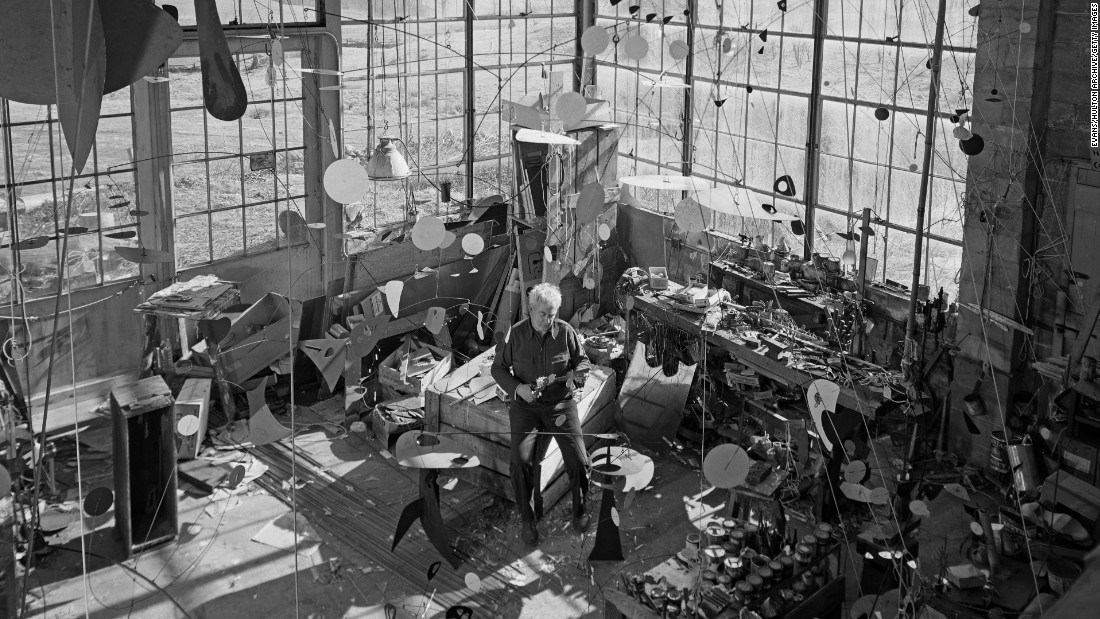
What do I need in a studio?
-Do I need a physical space?
-How much space do I need?
-If I’m working from a computer or a notebook how do I signal the transition to my creative work?
-Do I need a space that is not in my home?
-Will I work more if I have a studio in my home?
-What are the important elements of a studio for me? A place to be messy? A wall to hang things? A space where I can leave my stuff set up? A space where I can display my work?
-How can I make the available space work for my needs?
-Is is important that the space is solitary? Or do I work better in a shared space?
-
Below are several excerpts from ART/WORK the textbook you will be using next semester. Bhandari and Melber discuss important considerations when deciding where to set up your studio space. What best suits your lifestyle? What best suits your practice and the kind of work that you want to make?
Get inspiration for setting up your studio from the artists featured in the CBC Arts series: COVID Residencies. These short videos take you inside the studios of Canadian artists who have had to adapt their studios and practices in response to the pandemic. View the entire playlist.
Studio Rituals: Getting to work
As you’ve been reflecting over the past week on what gives you life in your practice, I hope that you’ve also been noticing the rhythms of your work, the things that motivate you to work and the things that discourage it.
Identify a couple of strategies or rituals to try out in these first weeks of the course. You can always shift, adjust, optimize these based on your experience.
Here’s a fun list of artist rituals to give you some ideas.
Consider:
What time of day are you most creative and motivated? Morning? Night? Late afternoon?
Do you like to work a little bit every day? If so block off time every day to work.
Do you prefer to pull an all nighter right before a deadline? If this is the case make sure you clear your schedule before before big deadlines so you can immerse yourself in your work without distraction.
Make a studio schedule for yourself taking this information into account.
Are you motivated by working near other people or is this a distraction?
What gets you in the mood to work? Music? Podcasts? Silence? Snacks? Coffee?
What distracts you from working? Social media? Hunger? People? What can you do to mitigate these factors?