Process and Embodied Research
In studio art artistic production is the primary mode of research. Aesthetic inquiry is considered a valid way of knowing and research in this context is embodied in various artistic practices and processes. Through this course you will be challenged to engage in material-semiotic research through the following channels:
Personal Inventory Project
Part I Reflection
Preparation:
Begin by gathering images of your art from all of the classes you’ve taken in the past three years in a single folder. Pull out your old sketchbooks. Gather your artist statements. When you have everything in one place proceed to step 2.
Personal reflection process:
Take some time to reflect on the creative work that you’ve done over the past three years. Use the tools provided on the Creative Inventory page (The Good Time Journal, Your Creative DNA or the Ignatian Examine) to reflect deeply on your artistic interests.
Reflect on projects, classes and rate your level of engagement using The Good Time Journal worksheet from Designing Your Life. You may also find it useful to work through the “Your Creative DNA” questions from Twyla Tharp’s The Creative Habit.
Part II PERSONAL INVENTORY Presentation
The in-class presentation offers students an opportunity to reflect on their artistic practice to date, explore recurring themes, concepts, strategies and ways of working, consider how they might move forward in light of how their practice is developing, draw together other interests from extracurricular involvement, other courses and experiences. This presentation is also essential in helping us all get to know one another and get acquainted with each other’s practices.
Your presentation should be 10-15 mins in length.
Include the following in your presentation:
-
IMAGES: 20 images of your studio/design work throughout the program (this is not the time to show images of work that you got the best grades on, this is the time to consider which projects most engaged and energized you) include title, medium and date with each work
-
SUPPLEMENTARY IMAGES: Images relating to other courses and experiences that inform your work, for example an image of you doing volunteer work that has influenced your art, work you made outside of school (optional, this will count towards your 20 images)
-
TELL A STORY: Tell us the story of your art + design journey. Discuss themes, concepts, big ideas, visual explorations or discoveries that you identified when reflecting on your work. What are you trying to say with your work? What piques your curiosity?
-
MANIFESTO: 100-150 word statement that distills what you believe about art/design, why you do it, what you hope your art/design work does, why you care about art/design etc.
Following the presentation, there will be time for your classmates to respond to what you’ve shared. Your colleagues will help you identify areas of interest, speak to your blind spots, identify areas where interests intersect.
What NOT to include
- Long explanations about what class you made the work for and who was teaching it
- Do not read all the information on the slide, in fact slides should include minimal text
- Images included just to impress your colleagues
Assessment:
- Oral Presentation: Presentation is rehearsed, student speaks clearly, presentation is focused, follows the PetchaKucha Format (20 slides x 20 seconds each)
- Visuals: Learner has included 20 images of their own work, supplementary images are relevant to topic, images are good quality
- Story: Learner tells the story of their art/design interests and how they have developed over the course of the program.
- Manifesto: manifesto clearly articulates what the learner believes about art, why they make art and what they want to do through their art
Seed Projects
Blog Categories: sr-studio, process
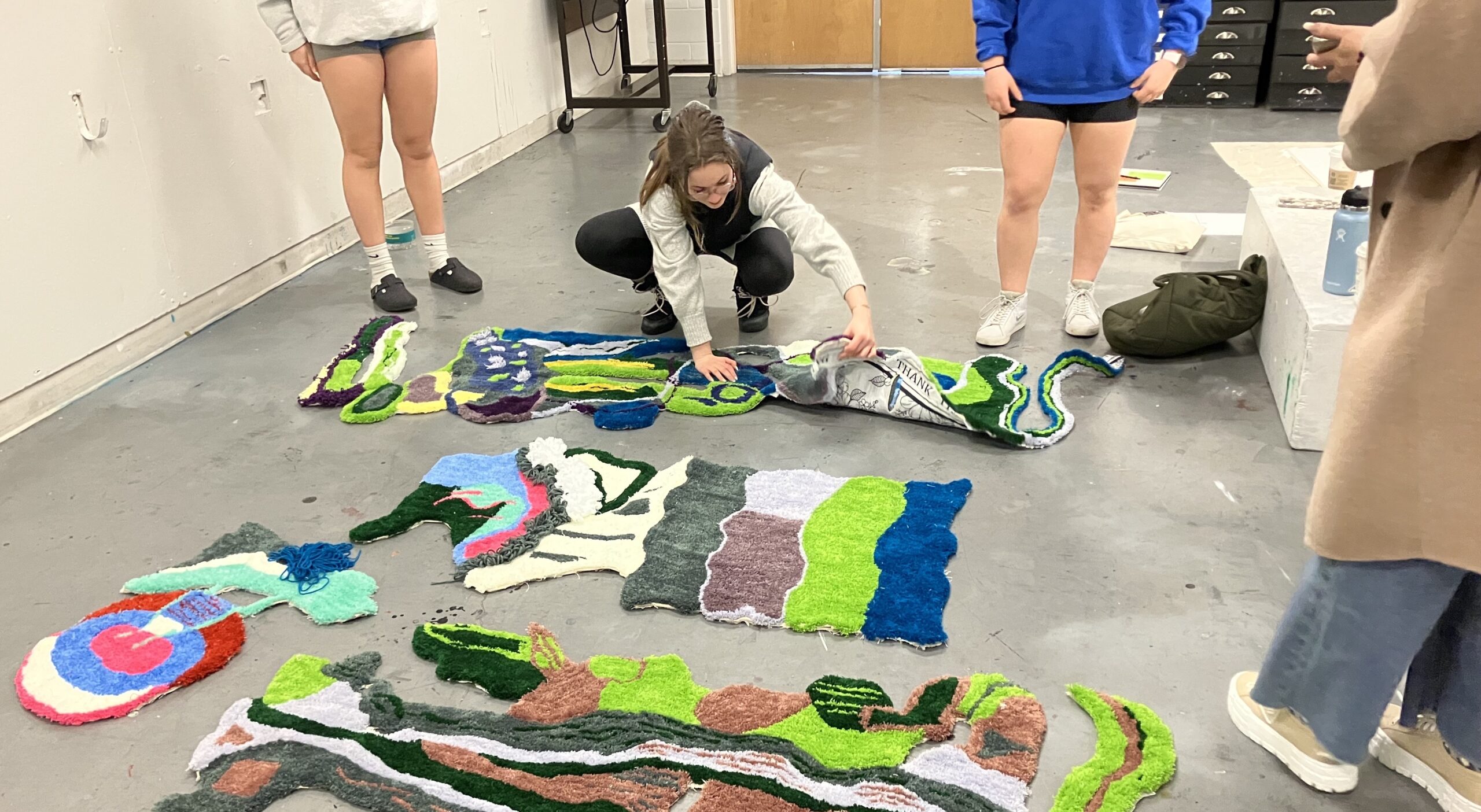
Create 5-10 small-scale projects over the course of five weeks. The purpose of this series of projects is to test materials, processes, ideas, visuals, evaluate viewer response and gather further visual information. The projects are designed by each learner, in collaboration with colleagues and the instructor. These seed projects will be a jumping off point for your extended project. Seed projects may explore five different approaches or build on eachother from week to week.
These projects are playful experiments. Risk-taking is essential.
Assessment:
- Evidence of risk-taking in media, concept or process. Artist moves beyond their comfort zone.
- Significant investment of time, effort and thought into the weekly projects.
- Evidence of inquiry: projects demonstrate authentic curiosity and inquiry.