February 15, 2023
Observations
My mentor teacher described her tactic of using a soft start this week. She explained that a soft start in her class is an easier assignment or worksheet. I’m impressed with the way students are self-directed in their morning work. It’s evident that the teacher has set up procedures for students to begin their day without verbal instruction. There were not even directions on the whiteboard for this part. As soon as they came into the class, they sat down and started working on math vocab crossword puzzles relatively quietly.
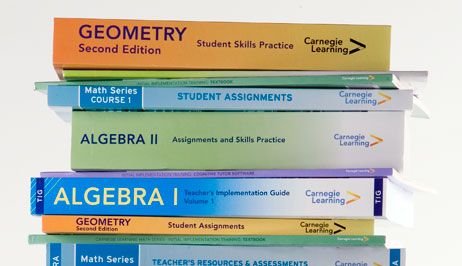
I also learned today that my mentor teacher “believes in textbooks,” to put it in her words. She says “Having textbooks focuses and centres them.” I have learned in my education courses that textbooks are not the standard anymore or provided for teachers. My mentor teacher said she had to borrow her math textbooks from her old school as they weren’t provided at her present job.
I noticed this teacher is fairly strict and vocal. She calls out behaviour right away in a way that might be embarrassing to students. From student conversations I have heard in the hallway, it sounds like they don’t respect her much and can feel misunderstood–or intimidated. I think one girl said she was a bit scared of the teacher. I was surprised by this because the teacher has said good things about that student and I know she likes her. Maybe the teacher’s positive emotions and opinions about the students are not coming across very clearly? Maybe they find her difficult to read.
Reflections
It was interesting to hear my mentor teacher’s take on textbooks. I know textbooks are a debated topic. They are good because they have a lot of useful information to cover a broad scope of information that is valuable for children to know. This also ensures they are prepared for the following year with another teacher. They have a scaffolding effect. They also describe how to answer problems so students can return to the instructions. This is helpful for visual learning preferences and saves the teacher time that might otherwise be used explaining a concept several times to a confused student.
However, textbooks do not provide as much flexibility for students who are stronger or weaker in a subject, and they don’t use different ways of knowing like Indigenous strategies. I think textbooks are a good resource, but I don’t think I would use them as a singular source of content. I would also have embodied lessons where students learn how to use math practically. Students may even physically act out scenes in which they would need math–like calculating sale percentages at a store–which fits with the storytelling aspects of Indigenous learning. I would also have easier work for struggling students to scaffold from and advanced work available for extending students who are excited to challenge themselves in a specific subject.
I thought about management strategies today when I heard the students talk in the hallway. It doesn’t sound like they look forward to being there. I’m thinking about this because I think firmness is important and I’m learning from the way she runs her class. It is challenging because it is important for students to listen in order for the class to run, but if students only conform when you are there and gossip about you behind your back, I’m not sure if that is an effective management strategy. Students aren’t inspired to listen but obey because they have to. This does not display the inner change that develops children as individuals.
I do like that she does not tolerate bullying or misbehaviour and calls it out right away. It makes the class run fairly smoothly. But at the same time, I want my students to want to be there and work with me (not feel as though they are fighting me or hiding from me). I like William Glasser’s approach I learned about in the Classroom Management course with Dr. Etherington. Glasser emphasizes the importance of a positive relationship between student and teacher. If a student respects the teacher and believes their best interests are in mind, the content is understood as valuable and relevant, and the teacher is true to their word, they will want to listen. We just talked about this in my Indigenous Education course today! Positive relationship with students makes them less likely to go against the teacher or rebel behind their back.
I also believe in building intrinsic motivation in students. If there is only external motivation, obedience only lasts as long as the teacher is there. Once the teacher leaves the room, misbehaviour will likely begin. Also, forced submission likely will not bring lasting values into adulthood. Fear-based obedience can fade once students move on to the next year. Or if their obedience remains, it does not come from a desire to learn and obey, but rather an engrained worry about being called out by those in leadership. Many teachers likely disagree, but this is what I have come to believe based on the management models I have learned, conversations I’ve had, and experiences with teaching and leading through my teen and young adult years.
Leave a Reply