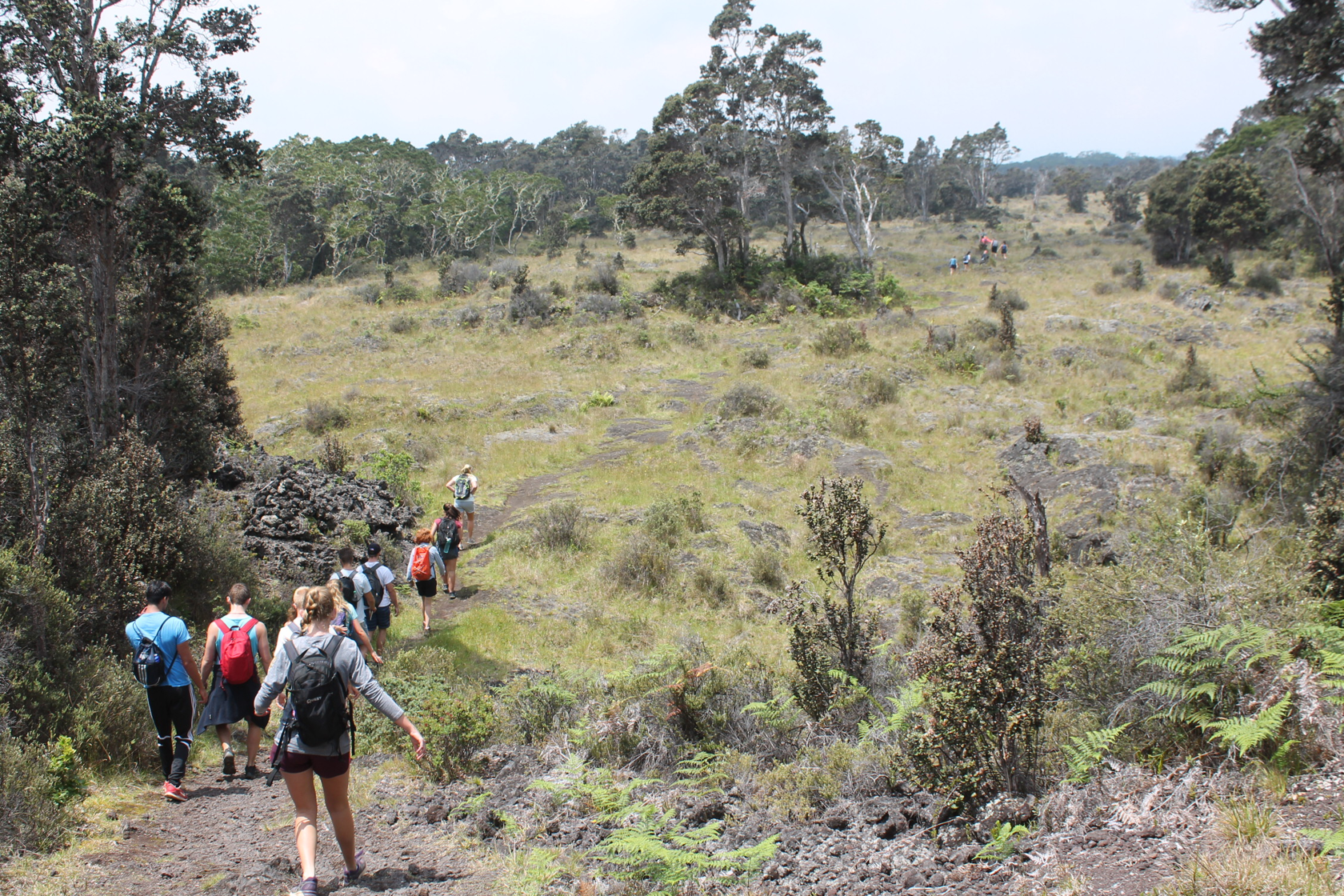
Now I have disappeared from Australia and reappeared back in my home country, a few more thoughts…
My sabbatical project in Australia is a little hard to explain sometimes – maybe even to myself.
I tell people I was studying weeds, but I had no actual plants down in Wagga Wagga, New South Wales. What I did have to work with was an amazing scientific team – the Charles Sturt University plant interactions group led by Leslie Weston.
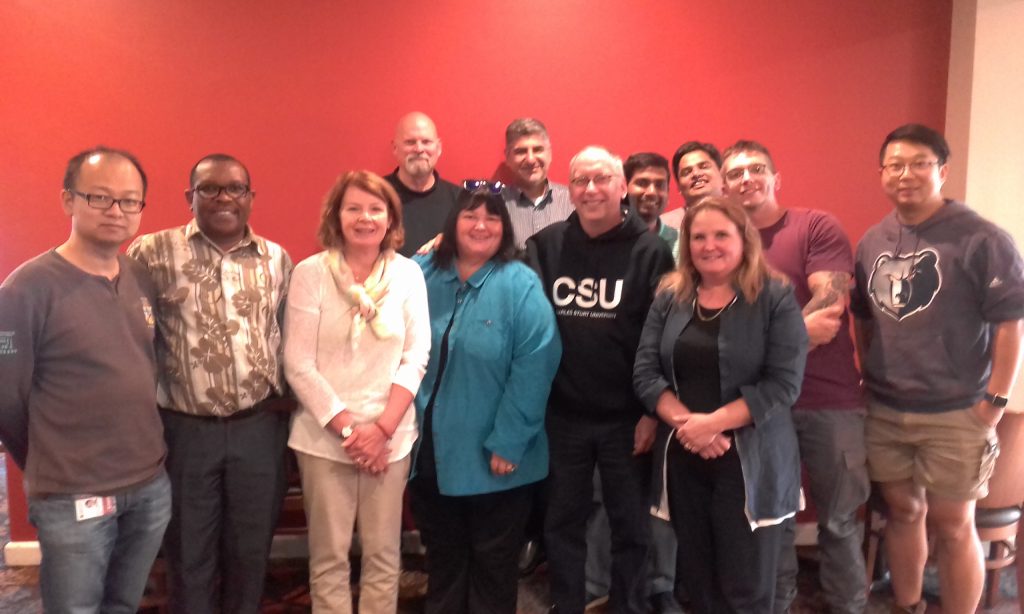
I am often quick to add that the plant I was studying, mile-a-minute (Mikania micrantha) does grow in Queensland (the state north of New South Wales). Certainly the local Wagga news station, Channel 9 news Riverina, who interviewed me were quick to pick up on that. Even there, however, it is quite invisible. Ever since it was found there it has been under an eradication campaign, and a pretty successful one at that.
On the other hand, we have collected miles and miles of DNA from mile-a-minute at Charles Sturt University at Wagga Wagga. So maybe I could say we have “actual plants” there. We receive the samples as preserved bits of leaf.
Those bits of leaf could never grow into anything living again, so they can be brought from all over the world. Shawangni Rao did successfully return from Fiji where she collected mile-a-minute samples to bring back to Australia, as I wrote about in the “jars of clay” blog entry.
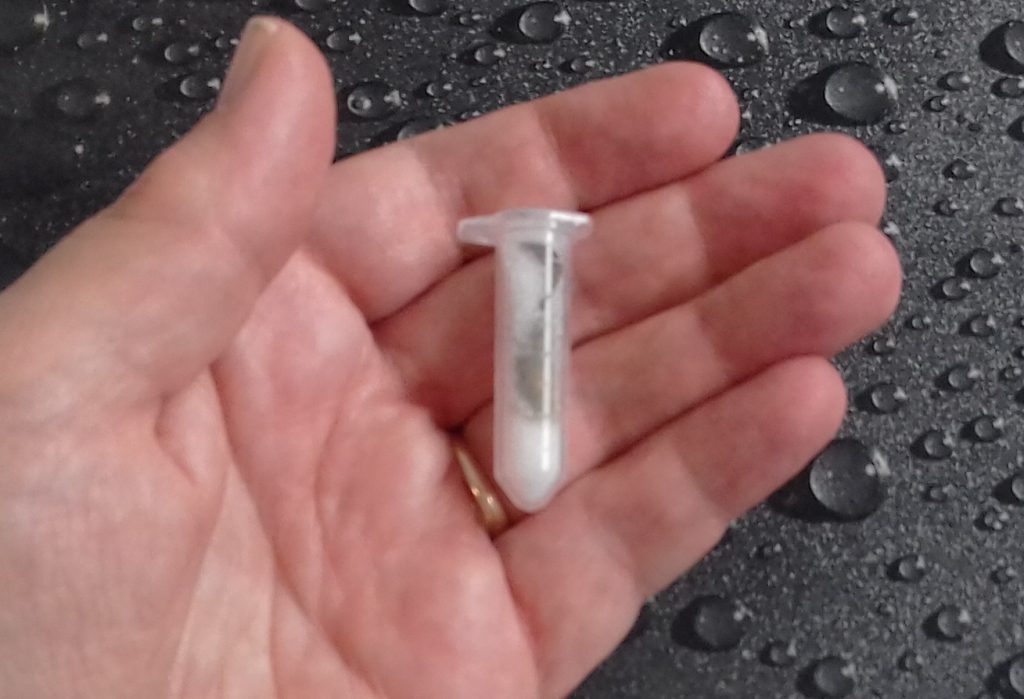
We were able to look at her Eppendorf tubes and see those bits of leaf. However, the real valuable parts of the sample are invisible. As we have been doing with samples from various countries around the world, the lab (i.e., Diego Zhu) will extract DNA from the leaves by digesting away everything else.
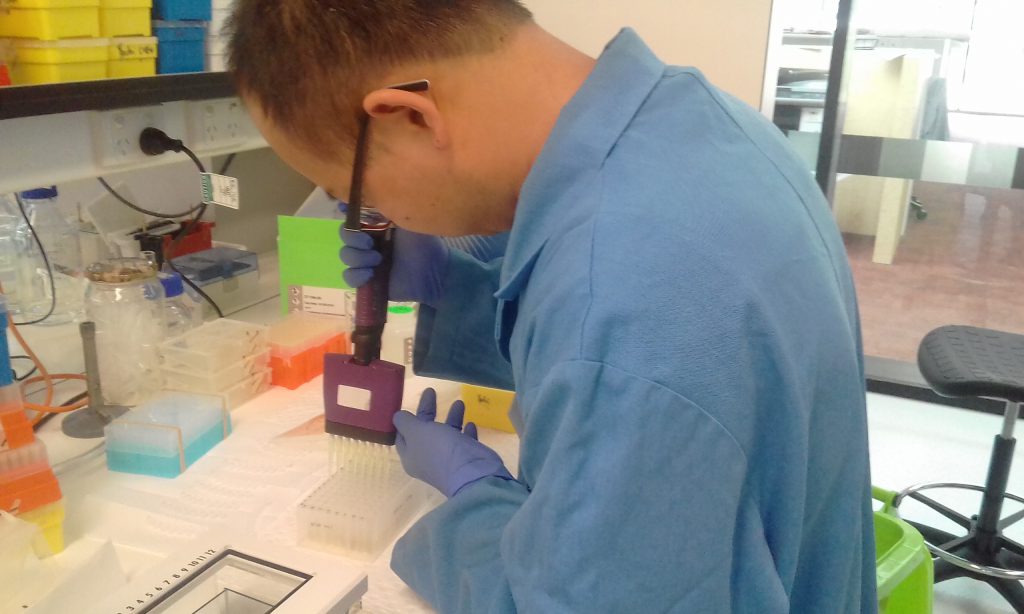
When I have been in the lab with Diego and beheld the filters where the DNA gets trapped when the rest of the leaf is dissolved away, it is quite a sight. Well actually, it is not a sight at all. You can’t see the DNA!
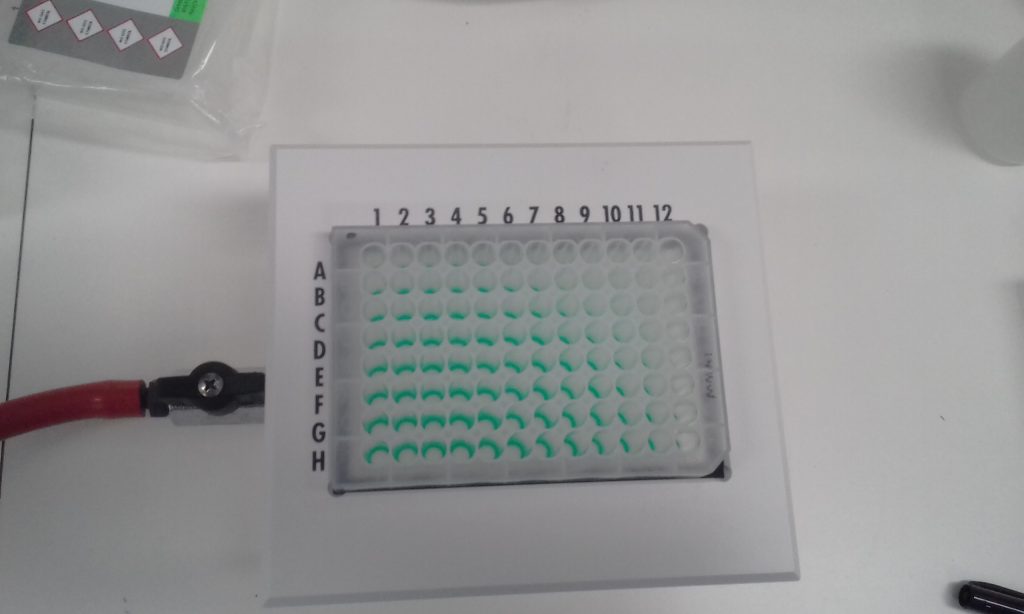
But wait, maybe you can see the DNA, in a way. Diego has reported to me he has found five genes that work – i.e., we can amplify DNA from these 5 genes for sequencing (see Table 1 below). That is good news! Does that means we can amplify the DNA enough to see it with the naked eye? No – it’s still invisible even when it is amplified.
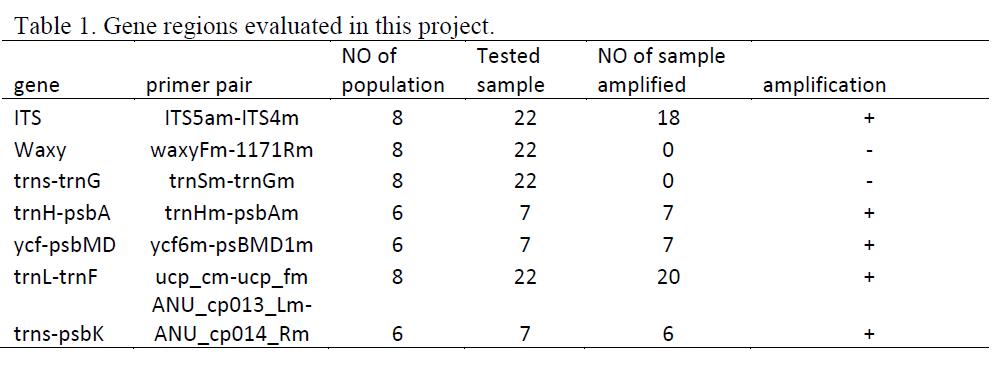
Diego sent our first set of amplified genetic material off to another lab for sequencing. Then – yes then – we would be able to “see” the DNA. What did we see? We were able to see the amount of variation for the 5 genes among the various population. Our objectives involve learning about those populations, where they came from, maybe which ones will be easier to control, and trying to figure out whether all the Pacific Island populations really came from an initial introduction of the mile-a-minute weed to Fiji.
The news came back from the sequencing lab that for the 8 populations we tested…the 5 genes tested are all identical in all 8 populations. Seven of these were from Pacific Islands and the 8th was from Yunnan Province, China. Even though the plant is capable of producing variable offspring through sexual reproduction, the island invasive populations have only been around since 1907 (i.e., when they got to Fiji), and in the region since 1884 (when the plant was first grown in the Hong Kong Botanic Gardens). Maybe there hasn’t been enough time for divergence – plus many of the large weed patches are generated by clonal growth. And it looks like the ones we are looking at all came from a single introduction perhaps. One small mistake leading to miles of weed growth!
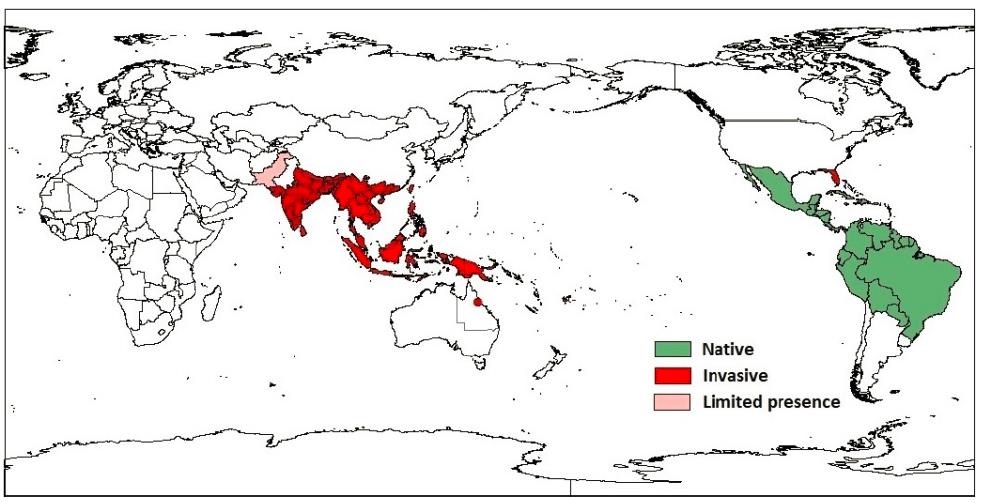
So now we wait to see the next results which will involve the Fiji samples and some samples we recently acquired from Brazil, which is part of the native range (see map below). So we expect to see the Fijian samples match up to the rest of our island samples, and the Brazilian ones to actually vary…without seeing the actual DNA in full living colour, of course.
That is the magic of working with DNA. And yet, as someone who normally studies what I can see (macroscopic stuff), it is a strange thing. I find I need a little more faith in the scientific process involved than if I am say simply counting the number of seeds on a plant, or identifying species of plants in a meadow to see whether the meadow is healthy or not.
Hebrews 11:3 says: “By faith we understand that the universe was formed at God’s command, so that what is seen was not made out of what was visible.” If we take the example of DNA, it fits the picture very well, at least as a metaphor. Every organism, every mile-a-minute plant uses DNA as its recipe to grow and development – the letters of the DNA molecule acting like God’s command.
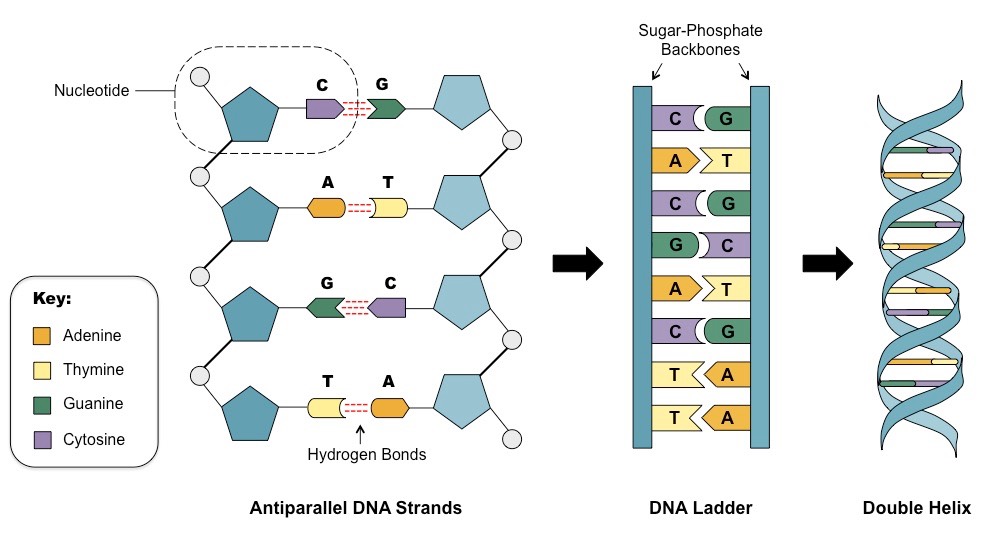
It is hard for us to see this process in action, and yet we know from all the gifts God has given us to understand DNA science that this is the way it works. We are not quite to the level of “Jurassic Park” whereby we could take dead bits of leaf, take out the DNA and use it to produce a full-fledged mile-a-minute vine entangling a whole lemon orchard. However, we are getting pretty good at understanding how the invisible DNA molecules engineer life’s development and all of life’s processes.
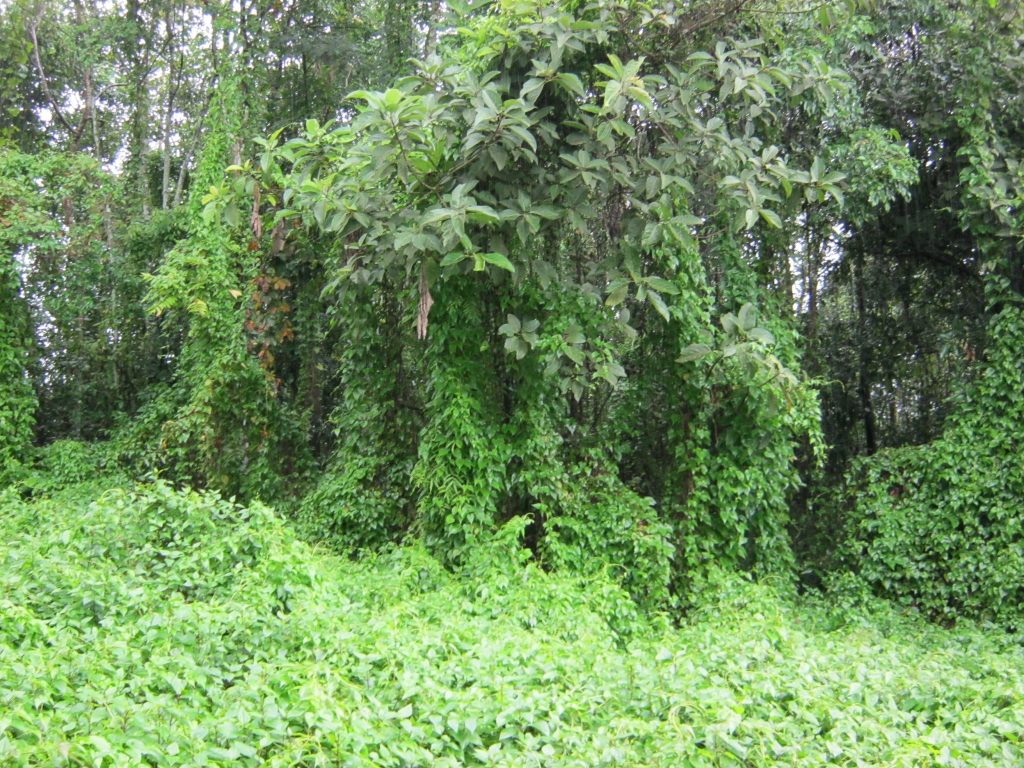
I think this ability to “see” the invisible producing the visible, helps us to see God better. “For since the creation of the world God’s invisible qualities—his eternal power and divine nature—have been clearly seen, being understood from what has been made, so that people are without excuse” (Romans 1:20).
Although here I have been calling the DNA molecule “invisible” it is simply very small, and with the right tools, we can see it. Yet somehow, there is still a cloak of invisibility over the whole process – a magnificent unfolding of life from a dazzlingly elegant set of instructions – that are virtually invisible. Eureka and Hallelujah!