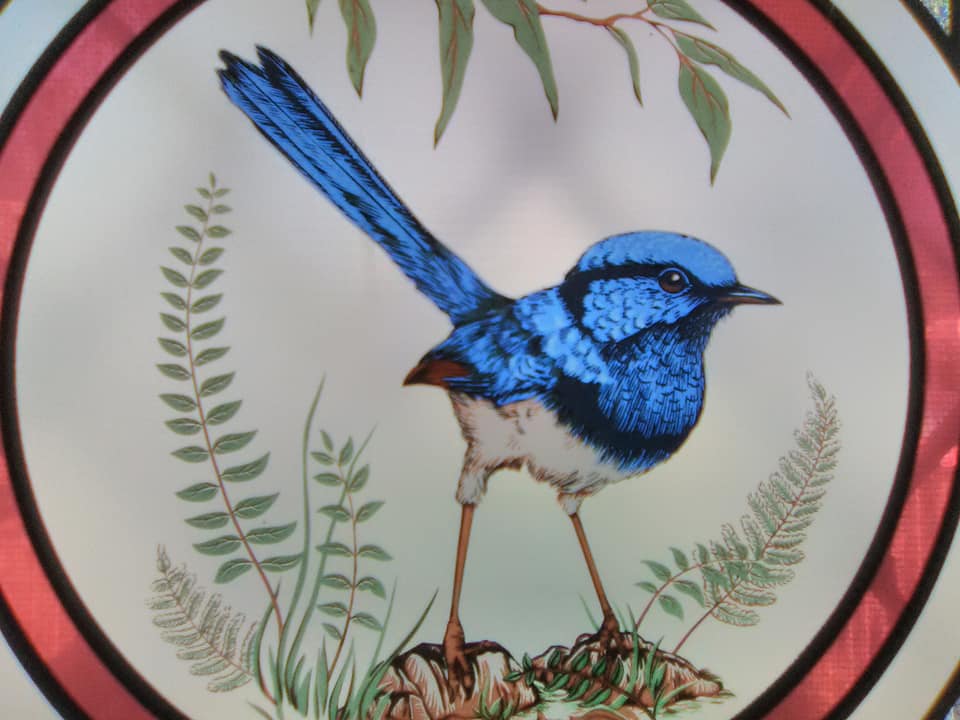
This bird is superbly named. Any doubts about how it is named might be dispelled by a sighting of the brilliantly blue hues glowing from the males of the species. Australians voting for the top bird also thought it was the most superb – when Birdlife Australia conducted a poll in 2013 to determine the most popular bird in the country, this little bird was #1.
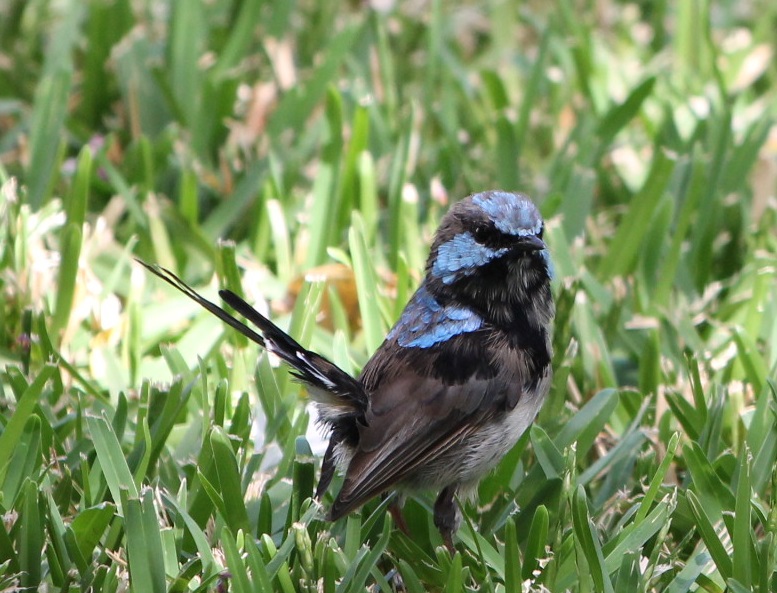
Regarding the superb result for the fairy-wren Birdlife Australia asked: “Is it the stunning males in breeding plumage? Or the fact that they live in many people’s gardens, particularly where there is a lot of dense cover for them to retreat to and breed in?”
However, in 2017, the fairy-wren dropped to #5 with the Australian magpie taking top honours – see my synopsis of the 2017 winner at:
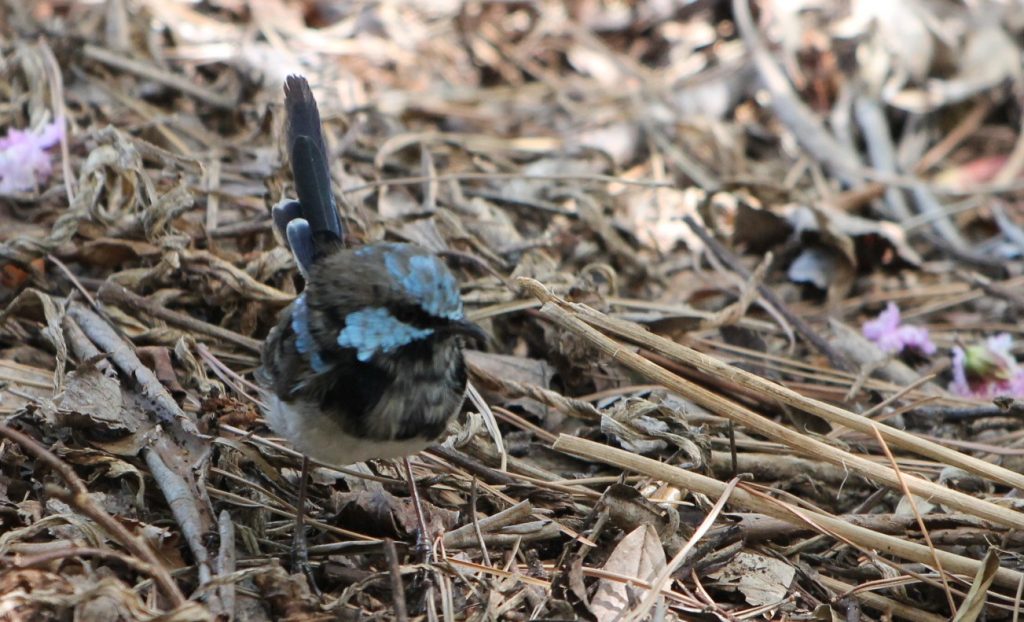
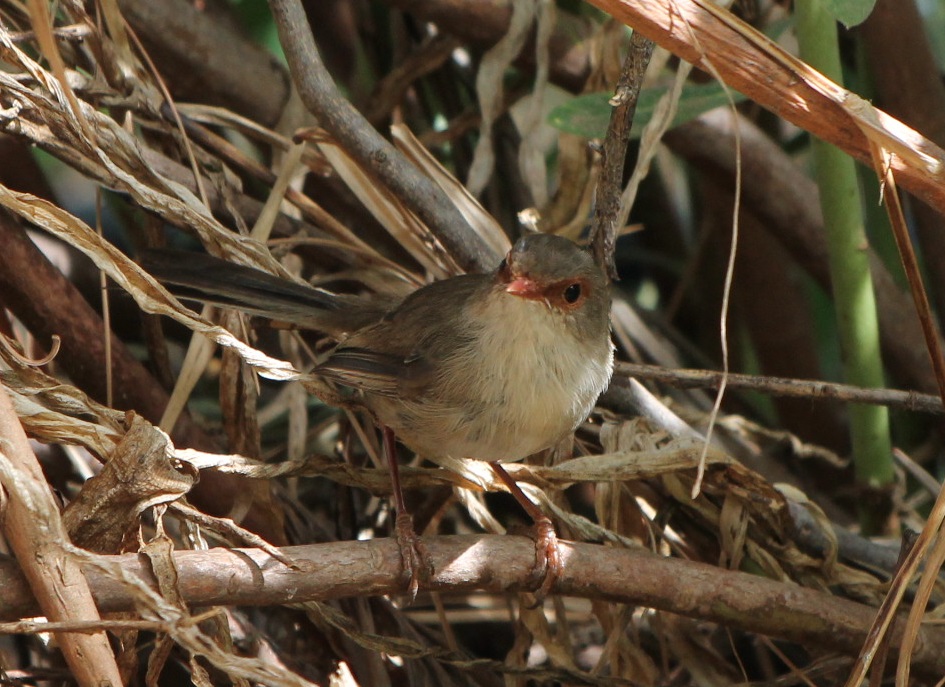
Back to the wren, these dainty birds produce a mesmerizing song characteristic of wrens. They live very gregariously. I was wondering why I saw more of the brown females around than the blue males, but it turns out that in the small groups they hang out in, many of the brown ones are immature males, yet to take on their true colours.
In Australia, as well as seeing these birds everywhere, we have seen superb fairy-wren art, including in the doorway of our residence in Wagga Wagga, as seen below, and every day when we walk out our door!