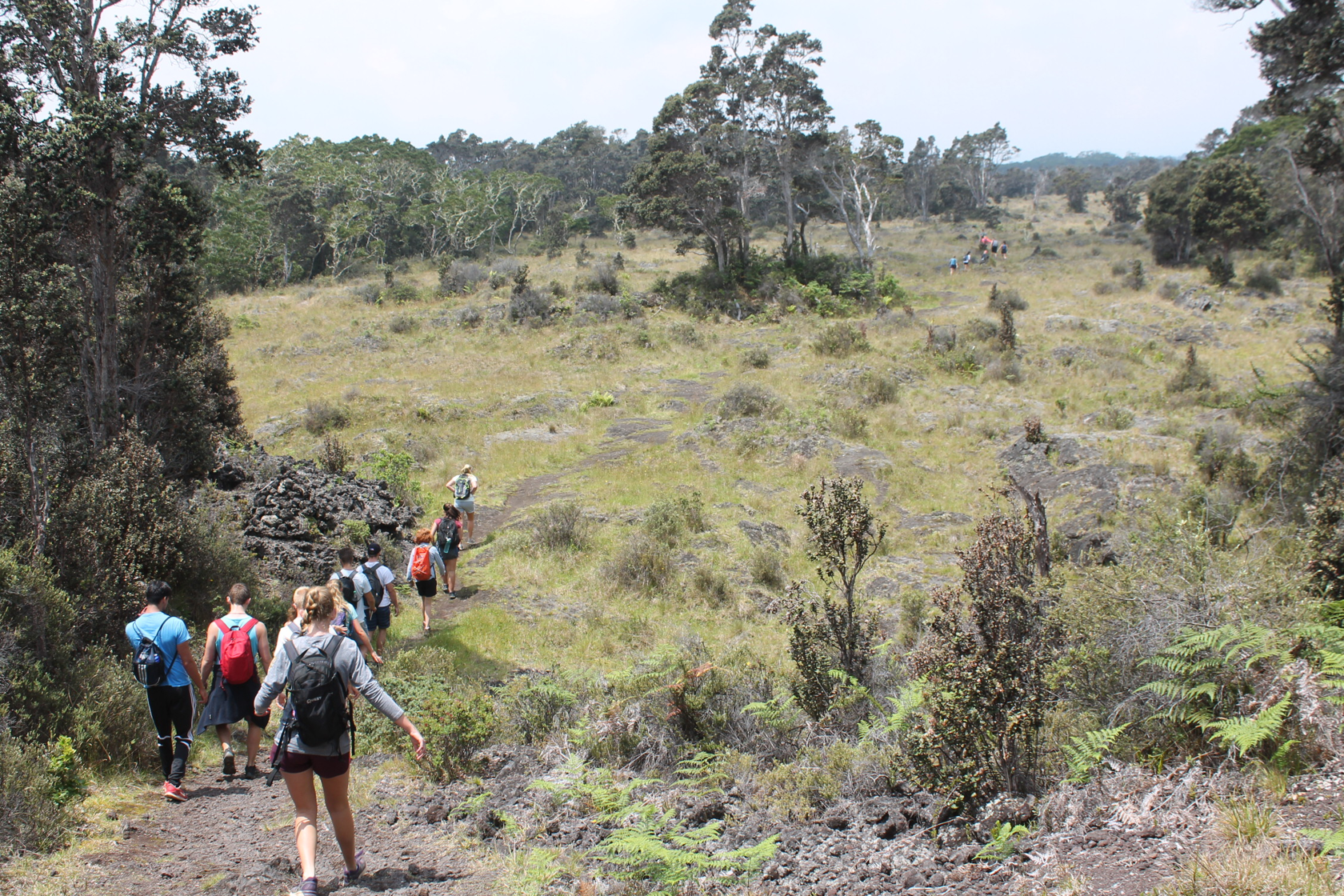
When we had our bon voyage party in Langley in Nov. 26th, as the room was filled with the typical chaos associated with too many people in a room, my buddy Steve Robinson implored us to “tell the story,” i.e., why we were going to Australia? I was very grateful to Steve because in a crowded room like that it is quite daunting to try to explain yourself to everybody one on one. So here (finally almost two months after the first blog post) I will re-tell the story, with a few illustrations thrown in.
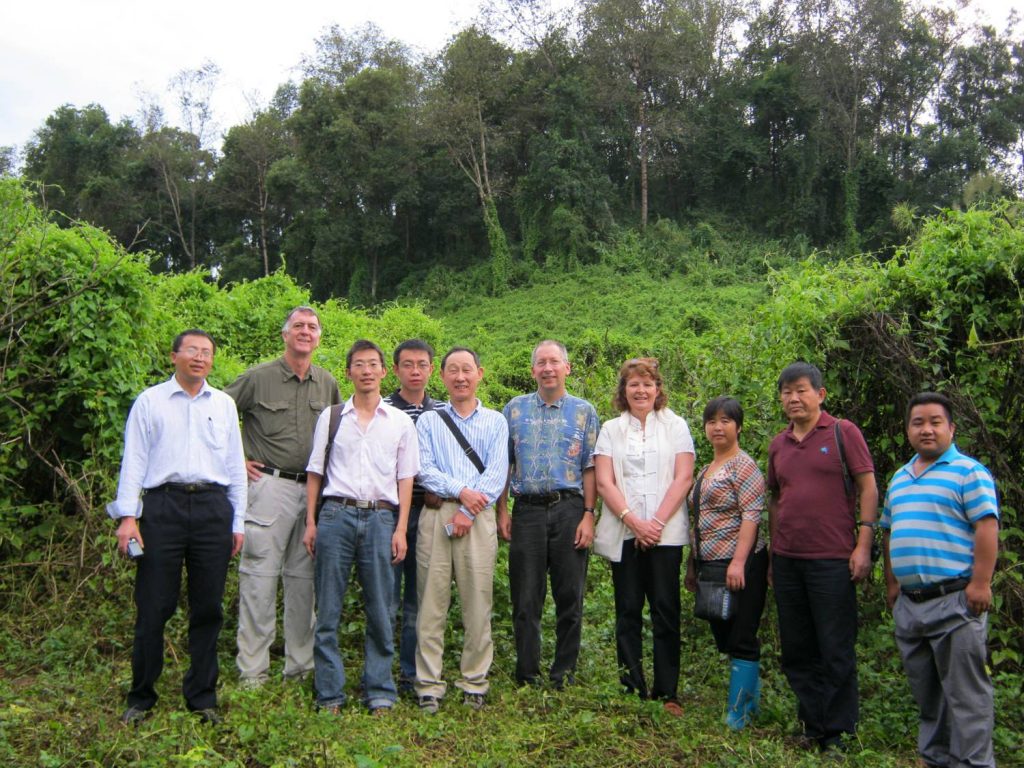
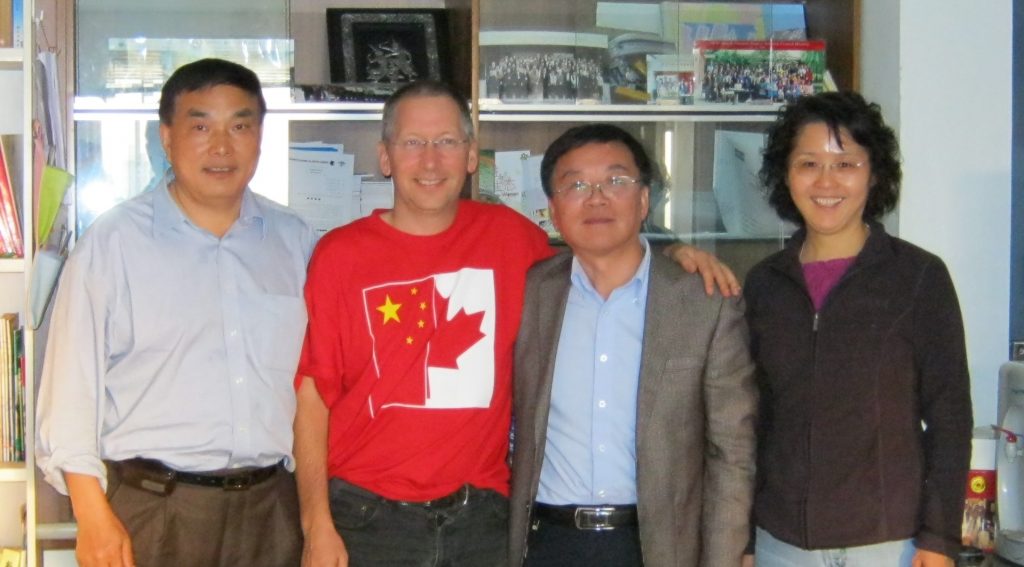
The above photo tells quite a story. We are standing in front of a calamity that is repeated all over the globe. We are standing in front of a lemon orchard, or to be exact, a former lemon orchard that has been destroyed by the mile-a-minute weed, Mikania micrantha. There is also a people story in the picture. The gentleman on the far left is Professor Fudou Zhang, the one who invited me to Yunnan Province, China, to see this weed in action. When I first saw his message, I had my doubts, but my friend Shiyou Li called him up and certified that it was a legitimate invitation, and said “in my professional opinion, I think you should go.” My friend Shiyou and his wife Ruying actually made it to China that first year I was invited in 2010, to meet up with me and a former colleague of ours, Rongping Kuang, who visited Queen’s University, Kingston, Ontario back in 1990, for a 20 year reunion of the 4 of us in China as shown below.
Back to the first photo, when I visited China in 2010, there were three other weed science foreigners visiting with me – Joe DiTomaso from the California, U.S. (second from the left), Hisashi Kato from Japan (just to the left of me), and Leslie Weston from Wagga Wagga, Australia (just to the right of me). We had an amazing week in China visiting many sites where mile-a-minute was a big issue with our Chinese colleagues, as well as of course, enjoying excellent Chinese food from China’s agricultural abundance, albeit threatened by weeds like mile-a-minute.
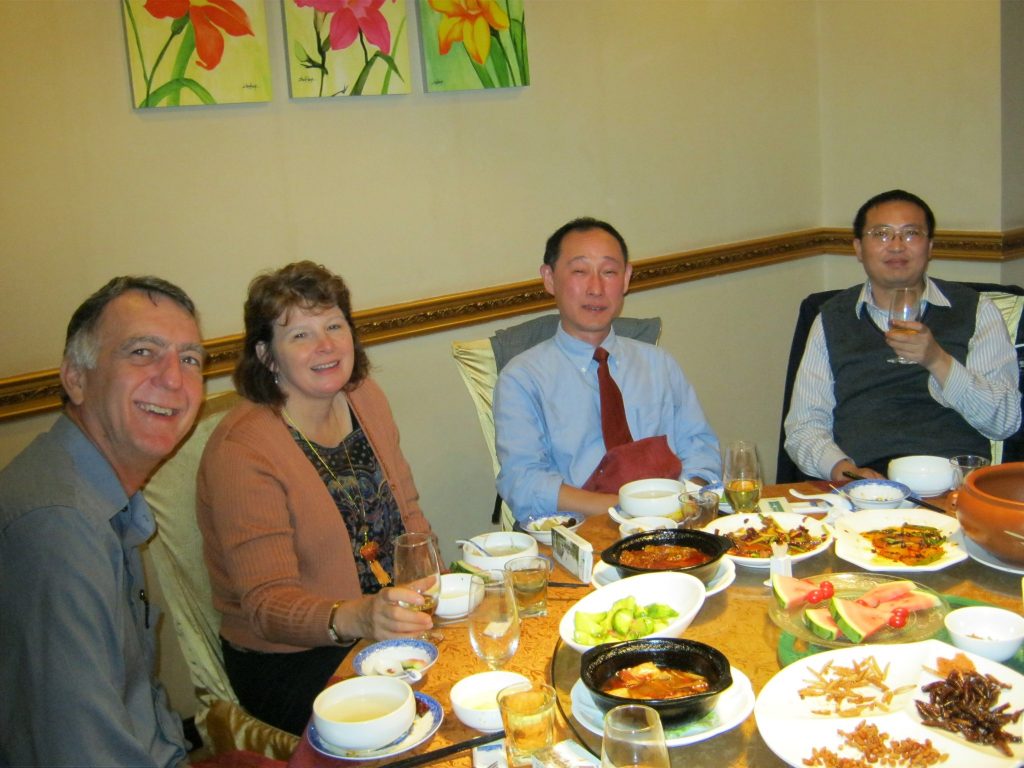
It was a great opportunity to get to know each other on that first trip (and there have been six trips to China for me since). Although I had first met Leslie at a conference 5 years earlier, it was there in China she said to me: “You know, Australia is a good place to do a sabbatical” as I mentioned in an earlier post. So here I am here in Australia 8 years later, and I can certainly say she was right about that. I am here joining Leslie’s team at Charles Sturt University, taking advantage of the personnel on her team and the advanced equipment at the Graham Centre for Agricultural Innovation…and studying our beloved weed – Mikania micrantha (mile-a-minute).
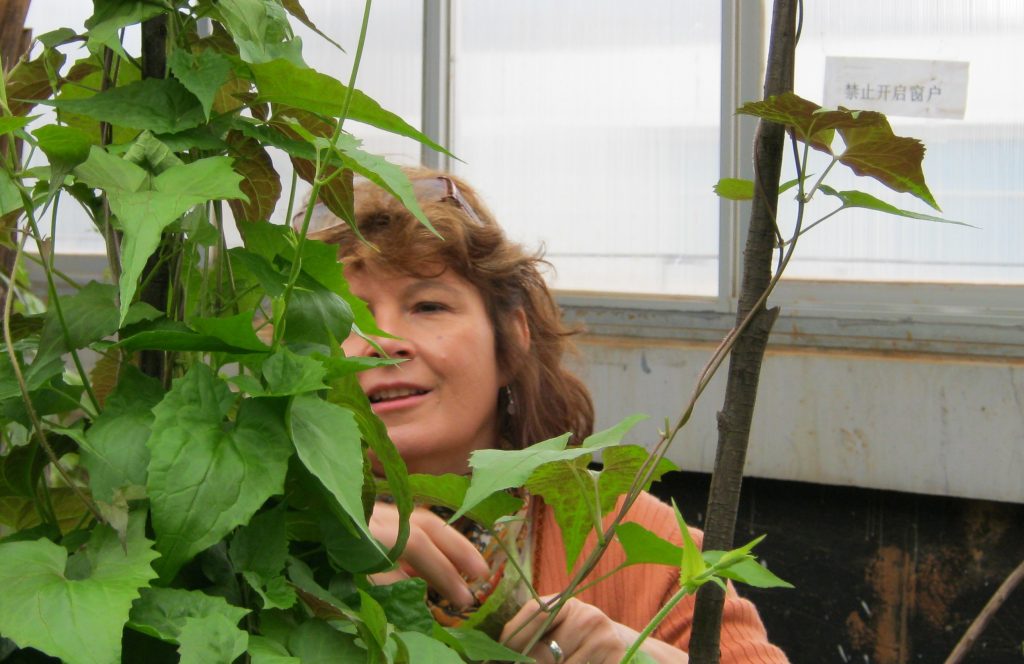
You might be wondering, what is a sabbatical? “Sabbatical” comes from the Biblical concept of a day of rest, or a year of rest in every 7. Most universities follow this tradition, allowing faculty members to either stay home and enjoy a change from their normal teaching and administrative opportunities as they pursue research, or go away somewhere to a place to facilitate research opportunities. Trinity Western University certainly supports the sabbatical concept – this is my third sabbatical, but just the second one away, and the first one away was still in Canada, in Guelph, Ontario in 1999-2000. So I am really grateful to Trinity Western University for this opportunity to go far, far away in 2018.
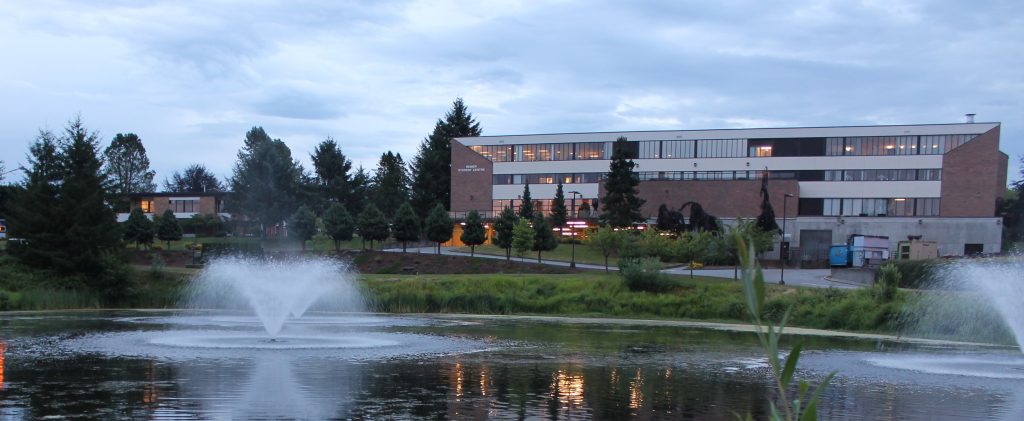
Still, even with Leslie Weston’s invitation and the welcome from Charles Sturt University, and Trinity Western University granting me the sabbatical opportunity, the prospect of travelling to a relatively expensive country on the far side of the globe was daunting. Just ask my wife about that. So I applied for a prestigious Endeavour Fellowship. Endeavour is a national Australian award named for the British Captain Cook’s Ship that “discovered” this continent down under back in 1770. I was successful in winning an Endeavour Award to support my four months here, and am thus extremely grateful to Endeavour as well.

So that’s the story behind my current exciting endeavour…
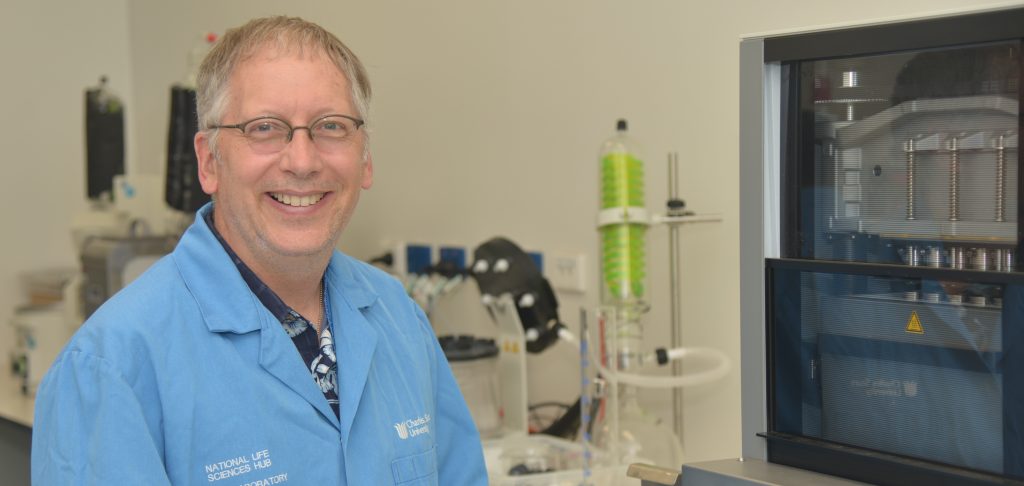
With thanks! Valuable information!
Great pictures!
Do you have Shiyou/Ruying email address or phone number(s)? They are my alumni in 30 years ago.
Thanks!
Yes, I am in contact with them! Email me at clements@twu.ca for their contact info.
https://waterfallmagazine.com
These are genuinely fantastic ideas in regarding blogging.
You have touched some nice points here. Any way keep up wrinting.
Thank you, I have just been searching for info about this subject for ages and yours is the best I have discovered till now. But, what about the conclusion? Are you sure about the source?